
When preparing to sell your home, most homeowners focus on staging, pricing, and marketing strategies. However, one often-overlooked step could be the key to a faster, more profitable sale: getting a pre-listing home inspection. This proactive approach offers numerous advantages that can set your property apart in today’s competitive real estate market.
What Is a Pre-Listing Home Inspection?
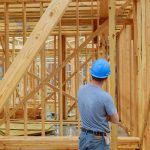
A pre-listing home inspection is a comprehensive evaluation of your property conducted before you put it on the market. Unlike the traditional buyer’s inspection that occurs after an offer is accepted, this inspection happens on your timeline, giving you complete control over the process and outcomes.
During this inspection, a certified professional will examine your home’s major systems, including electrical, plumbing, HVAC, roofing, and structural components. They’ll identify any existing issues, safety concerns, or potential problems that could arise during a buyer’s inspection later in the process.
Key Benefits of Pre-Listing Home Inspections
Avoid Surprises During Negotiations
Nothing derails a home sale faster than unexpected issues discovered during a buyer’s inspection. When problems surface at this stage, buyers often request significant price reductions, costly repairs, or may even walk away from the deal entirely. A pre-listing inspection eliminates these surprise moments, allowing you to address issues upfront or price them into your listing appropriately.
Strengthen Your Negotiating Position
Knowledge is power in real estate negotiations. When you know exactly what’s wrong with your home, you can make informed decisions about repairs and pricing. This transparency actually strengthens your position because buyers appreciate honesty and are less likely to make lowball offers when they feel confident about the property’s condition.
Demonstrate Transparency and Build Trust
Today’s buyers are increasingly cautious and well-informed. By providing a recent inspection report upfront, you demonstrate transparency and build trust from the very first showing. This openness can differentiate your listing from others and create a positive first impression that lasts throughout the entire transaction.
Reduce Time on Market
Homes with pre-listing inspections often sell faster because they attract more serious buyers. When potential purchasers see that you’ve been proactive about identifying and addressing issues, they’re more likely to move quickly on their offers. Additionally, the reduced likelihood of inspection-related delays means a smoother path to closing.

Strategic Repair Decisions
Prioritize High-Impact Fixes
Not every issue found during a pre-listing inspection requires immediate attention. The key is identifying which problems will have the biggest impact on your sale. Safety issues, major system failures, and visible defects should typically be addressed, while minor cosmetic issues might be better left for buyer negotiation.
Cost-Benefit Analysis
For each identified issue, consider the cost of repair versus the potential impact on your sale price. Sometimes it’s more economical to offer a credit to buyers rather than complete repairs yourself. A pre-listing inspection gives you the time to research repair costs and make these decisions strategically rather than under pressure.
Professional Consultation
Work with your real estate agent and inspector to determine which repairs offer the best return on investment. Some fixes might cost relatively little but provide significant value in buyer perception, while others might be expensive with minimal impact on your final sale price.
Enhanced Marketing Opportunities
Promote Your Home’s Condition
A clean inspection report becomes a powerful marketing tool. You can confidently advertise your home as “inspection-ready” or highlight recently completed maintenance and repairs. This messaging attracts quality buyers who are looking for well-maintained properties.
Detailed Property Documentation
The inspection report provides detailed documentation of your home’s condition, which can be valuable for marketing materials and buyer discussions. Professional photos of updated systems or recent repairs can enhance your listing’s appeal and justify your asking price.
Competitive Advantage
In markets with multiple similar listings, a pre-listing inspection can provide the competitive edge needed to stand out. Buyers often choose properties that feel like safer investments, and an upfront inspection report signals that your home falls into this category.

Common Concerns and Misconceptions
Cost Considerations
While pre-listing inspections do require an upfront investment, typically ranging from $300 to $600, this cost is often recovered through faster sales, higher final prices, or avoided price reductions. Consider it an investment in your home’s marketability rather than an additional expense.
Disclosure Requirements
Some sellers worry that a pre-listing inspection creates additional disclosure obligations. While disclosure laws vary by state, most require sellers to disclose known issues regardless of how they were discovered. The key advantage is that you learn about problems on your timeline rather than being surprised during negotiations.
Timing Flexibility
Unlike buyer inspections, which operate on tight contract timelines, pre-listing inspections can be scheduled at your convenience. This flexibility allows you to address issues properly and obtain multiple repair quotes if needed.
Choosing the Right Inspector
Qualifications and Credentials
Select a licensed, certified home inspector with strong local references. Look for professionals who are members of recognized organizations like the American Society of Home Inspectors (ASHI) or the International Association of Certified Home Inspectors (InterNACHI).
Experience and Specialization
Choose an inspector familiar with your type of home and local construction standards. An experienced professional will understand regional issues and can provide valuable insights about repair priorities and costs.
Comprehensive Reporting
Ensure your inspector provides detailed, written reports with photographs. This documentation will be valuable for your own decision-making and can be shared with potential buyers to demonstrate transparency.

When to Schedule Your Pre-Listing Inspection
The ideal time for a pre-listing inspection is 2-4 weeks before you plan to list your home. This timeline allows adequate time to complete necessary repairs, obtain multiple quotes for larger issues, and integrate the inspection results into your marketing strategy.
If you’re planning to complete other pre-listing improvements like painting or landscaping, schedule the inspection after these projects are completed to get the most accurate assessment of your home’s final condition.
Maximizing Your Investment
To get the most value from your pre-listing inspection, treat it as a comprehensive property assessment rather than just a checklist of problems. Use the inspector’s expertise to understand your home’s systems, learn about maintenance priorities, and identify opportunities to showcase your property’s strengths.
Consider having utility companies conduct free energy audits or safety inspections that can complement your professional home inspection. These additional assessments can provide valuable marketing material and demonstrate your commitment to buyer satisfaction.
The Bottom Line
A pre-listing home inspection represents a shift from reactive to proactive selling. Instead of hoping no issues surface during buyer inspections, you take control of the process and use comprehensive property knowledge to your advantage. This approach leads to smoother transactions, reduced stress, and often better financial outcomes.
In today’s competitive real estate market, every advantage counts. A pre-listing inspection provides transparency, builds buyer confidence, and positions your home as a well-maintained, desirable property. For most sellers, this upfront investment pays dividends through faster sales, fewer complications, and greater peace of mind throughout the selling process.
Consider consulting with your real estate agent about whether a pre-listing inspection makes sense for your specific situation and local market conditions. With proper planning and execution, this proactive approach can transform your home selling experience from stressful to successful.