
When you’re touring potential homes, it’s easy to get caught up in the beautiful finishes, updated kitchens, and stunning curb appeal. But as your real estate agent, I want to help you look deeper and understand one of the most critical aspects of any home purchase: the quality of the framing. While you can’t see it behind the walls, the framing quality can significantly impact your investment, safety, and long-term satisfaction with your new home.
Understanding Home Framing: The Hidden Foundation of Your Investment
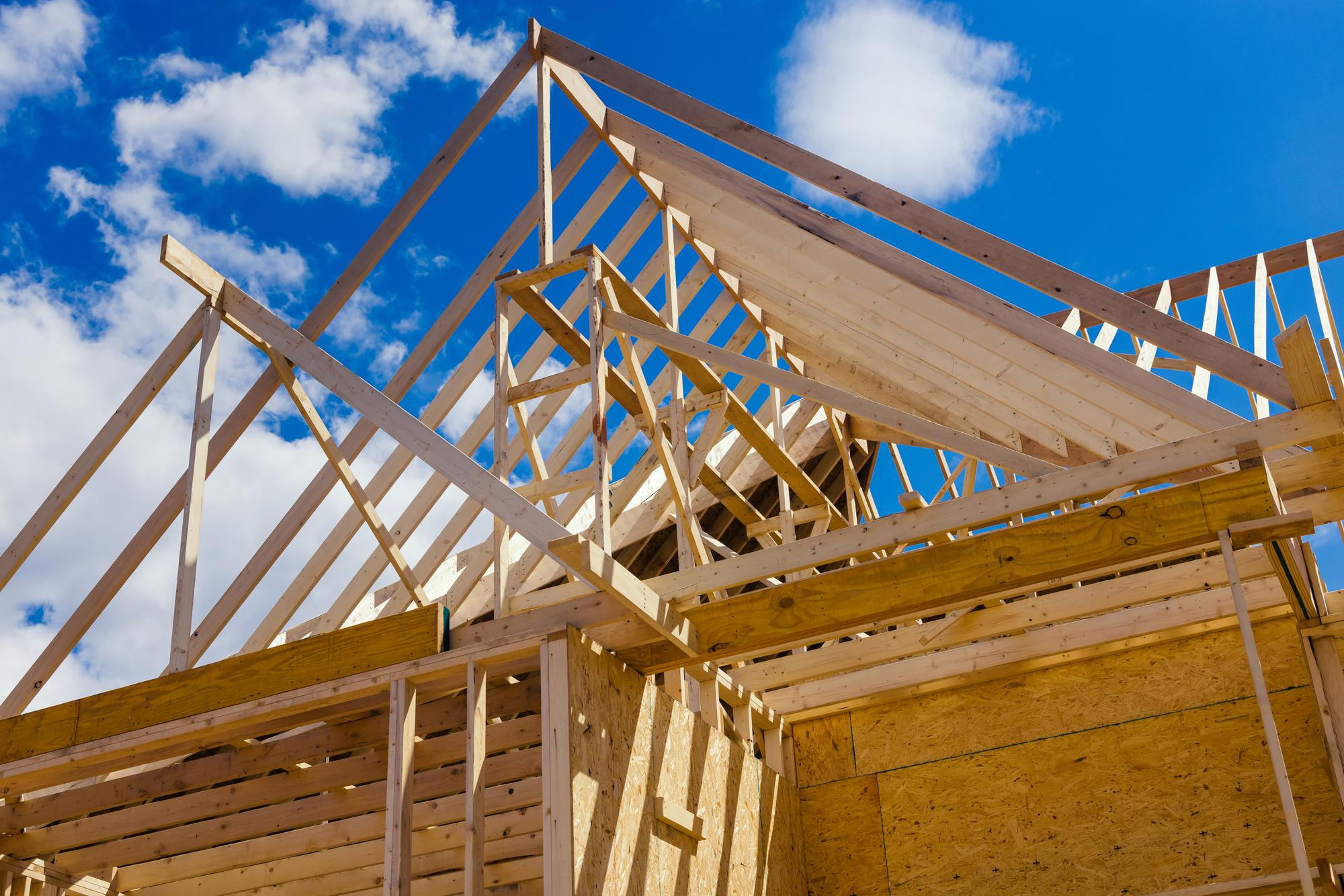
Home framing is the structural skeleton that supports everything you can see and touch in a house. It includes the floor joists, wall studs, ceiling rafters, and roof structure that hold up your home. Think of it as the foundation upon which every other element depends – from the drywall and flooring to the roof over your head.
Unlike cosmetic features that can be easily updated, framing issues are expensive and disruptive to fix. That’s why understanding framing quality should be a crucial part of your home buying decision, especially when considering older homes or new construction.
Red Flags: Signs of Poor Framing Quality During Your Home Tour
Visual Clues You Can Spot
Even without construction expertise, there are warning signs you can identify during your walkthrough:
Doors and Windows That Don’t Function Properly – Doors that stick, don’t close completely, or have uneven gaps around the frame often indicate framing issues. Windows that are difficult to open or don’t sit flush in their frames can signal similar problems.
Uneven Floors and Walls – Use your eyes and your feel. Floors that feel bouncy, squeaky, or visibly sag may indicate inadequate floor framing. Walls that aren’t perfectly vertical or have visible bows could suggest framing problems.
Cracks in Walls and Ceilings – While small hairline cracks can be normal settling, larger cracks, especially those that recur after painting, may indicate structural movement related to framing issues.
Nail Pops and Drywall Problems – Numerous nail pops or recurring drywall cracks can sometimes trace back to framing that moves or wasn’t properly installed.
Questions to Ask About Newer Construction
When looking at recently built homes, don’t hesitate to ask about:
- What type of lumber was used and where it was sourced
- Whether the framing was done by experienced crews or subcontracted
- If any inspections beyond basic code requirements were performed
- Whether engineered lumber or traditional framing methods were used
The Financial Impact of Framing Quality on Your Purchase
Immediate Considerations
Poor framing quality can affect your home purchase in several ways. First, it may impact your ability to secure financing, as some structural issues can cause problems with appraisals or inspections. Additionally, homes with framing problems often require immediate repairs that can cost thousands of dollars.
Long-Term Investment Protection
Quality framing protects your investment by ensuring your home maintains its value over time. Homes with solid framing are more likely to:
- Appreciate consistently with market trends
- Require fewer major repairs over the years
- Pass future inspections when you’re ready to sell
- Provide better energy efficiency, reducing ongoing costs
Insurance and Resale Implications
Some framing issues can affect your homeowner’s insurance rates or coverage. Additionally, when it comes time to sell, potential buyers will likely have the same concerns about framing quality that you should have now.

What Quality Framing Means for Your Daily Life
Comfort and Livability
Well-framed homes simply feel more solid and comfortable. You’ll notice the difference in:
- Floors that don’t squeak, bounce, or feel unstable underfoot
- Doors and windows that operate smoothly year after year
- Fewer drafts and better temperature consistency
- Less noise transmission between rooms and floors
Energy Efficiency and Utility Costs
Modern quality framing techniques contribute significantly to energy efficiency. Properly framed homes have fewer thermal bridges, better insulation performance, and tighter building envelopes. This translates to lower heating and cooling costs and more consistent indoor temperatures.
Maintenance and Upkeep
Homes with quality framing typically require less maintenance over time. You’re less likely to deal with:
- Recurring drywall cracks or nail pops
- Doors and windows that need constant adjustment
- Flooring problems related to substrate movement
- Premature wear on finishes due to structural movement
How Your Home Inspection Can Reveal Framing Quality
Working with Qualified Inspectors
A thorough home inspection is your best tool for evaluating framing quality. Make sure your inspector:
- Has experience with the type and age of home you’re considering
- Uses modern tools like moisture meters and laser levels
- Is willing to spend extra time in accessible areas like basements, crawl spaces, and attics
- Provides detailed documentation of any concerns
Understanding Inspection Reports
Your inspector should be able to identify and explain:
- Whether framing appears to meet current building standards
- Any signs of movement, settling, or structural stress
- The condition of visible framing members
- Potential areas of concern that warrant further investigation
When to Call in Specialists
Sometimes a general home inspection reveals issues that require a structural engineer’s assessment. Don’t hesitate to invest in this additional expertise when recommended – it’s far less expensive than discovering major problems after closing.
Making Informed Decisions Based on Framing Quality
Negotiating Based on Findings
If your inspection reveals framing concerns, you have several options:
- Request repairs before closing
- Negotiate a credit to address issues yourself
- Adjust your offer based on the estimated cost of repairs
- In severe cases, walk away from the purchase
Comparing Properties
When deciding between similar homes, framing quality can be the deciding factor. A home with superior framing may be worth paying more for, even if the finishes aren’t as updated, because the structural investment is much more difficult and expensive to improve later.
Planning for the Future
Understanding your home’s framing quality helps you plan for future renovations. Homes with quality framing provide more options for remodeling and additions, while those with marginal framing may limit your renovation possibilities.

New Construction vs. Existing Homes: Framing Considerations
Evaluating New Construction
With new homes, you have the opportunity to:
- Research the builder’s reputation for quality framing
- Visit during the framing stage if timing allows
- Ask about upgraded framing techniques or materials
- Ensure proper inspections are completed at each stage
Assessing Older Homes
Older homes present different considerations:
- Original framing may be solid but built to different standards
- Previous renovations may have compromised structural integrity
- Some older framing techniques are actually superior to modern methods
- Accessibility for inspection may be limited
Your Investment Deserves Quality Foundation
As your real estate agent, my goal is to help you make an informed decision that protects your investment and ensures your long-term satisfaction with your home. While it’s natural to focus on the features you can see and enjoy immediately, the hidden quality of your home’s framing will impact your experience every single day.
Quality framing isn’t just about meeting building codes – it’s about creating a solid foundation for your family’s comfort, safety, and financial security. Whether you’re buying your first home or your forever home, understanding and prioritizing framing quality will serve you well throughout your homeownership journey.
Remember, cosmetic updates can always be made later, but structural quality is something you want to get right from the start. By paying attention to framing quality during your home search, you’re making a smart investment in your future comfort, safety, and financial well-being.