Wondering how San Antonio evolved into the city we know today? This article on the history of San Antonio looks at its founding in 1718, pivotal moments like the Battle of the Alamo, and its growth in the 20th century. Join us as we explore the milestones that shaped this historic city.
Key Takeaways
- San Antonio’s foundation in 1718 by Governor Martín de Alarcón marked the beginning of Spanish colonization efforts in Texas, with missions like the Alamo playing a pivotal role in spreading Catholicism and integrating indigenous populations.
- Significant historical events such as the Battle of the Alamo in 1836 and the subsequent Battle of San Jacinto were crucial in the Texas Revolution, leading to Texas’ independence from Mexico and shaping San Antonio’s identity.
- The arrival of the railway in 1877 and the establishment of Fort Sam Houston played key roles in San Antonio’s 19th-century growth, transforming the city into a major military and commercial hub.
Early Beginnings And Spanish Colonization
The narrative of San Antonio commenced with its inception on May 1, 1718, by Spanish Governor Martín de Alarcón, rendering it among the most ancient Spanish settlements in Texas. This period marked the establishment of several missions and presidios, which were integral to the spread of Spanish culture and Catholicism among the indigenous populations. The Spanish missions, including the iconic Alamo, played a crucial role in the city’s early development, providing a foundation upon which San Antonio prospered.
The influence of the Spanish Crown was profound, as it mandated the creation of these missions to integrate native peoples and spread Catholicism. The Spanish governor’s palace and the old Spanish walls that remain today are testaments to this era. These efforts were not merely about religion; they were strategic moves to secure Spanish Texas from French encroachment and ensure the region’s stability.
Founding Of San Antonio De Béxar
As a part of Spain’s expansive colonization endeavors in the area, San Antonio de Béxar was instituted in 1718. Led by Father Antonio de Olivares and Governor Alarcón, an expedition comprising 35 Presidio Soldiers, their families, Franciscan friars, and civilians – totaling 72 people – set out to create a new settlement along the San Antonio River. This marked the beginning of what would become a thriving community, positioned strategically for defense and trade, and known as San Fernando de Béxar.
The location chosen for San Antonio de Béxar was not arbitrary. It was selected for its proximity to the San Antonio River, which provided a reliable water source and fertile land for agriculture. This settlement quickly became a focal point for Spanish missions, including the establishment of Mission San Antonio de Valero, now famously known as the Alamo. As the city of San Antonio grew, so did its importance as a cultural and economic hub in Spanish Texas.
The Role Of Spanish Missions
The early development of San Antonio was significantly influenced by the Spanish missions. Established in 1718, Mission San Antonio de Valero, later known as the Alamo, was one of the first missions in the area. These missions were designed to convert local indigenous populations to Christianity and teach them European farming and ranching techniques. The community at the mission included native groups like the Payaya, Jarame, and Pamaya, who learned various trades such as weaving and blacksmithing.
The missions aimed to create self-sustaining communities that could support Spanish colonial efforts. The success of these missions contributed significantly to San Antonio’s rapid growth and prosperity. Today, the San Antonio Missions National Historical Park preserves these historical sites, allowing visitors to step back in time and witness the legacy of the Spanish missions firsthand.
Influence Of The Spanish Crown
The influence of the Spanish Crown had a broad impact on San Antonio. Its policies mandated the establishment of missions and presidios as part of a broader strategy to integrate indigenous people into Spanish society and spread Catholicism. These initiatives were also aimed at deterring French colonial expansion in the region, underscoring the strategic importance of Spanish Texas.
To protect the missions and settlers from Apache raids, a presidio was established, further cementing San Antonio’s role as a vital outpost in Spanish Texas. The enduring legacy of the Spanish Crown’s influence can still be seen today in the city’s architecture, cultural practices, and the old Spanish walls that remain standing.
Mexican Independence And Texas Revolution
As Mexico achieved independence from Spain in 1821, the dawn of the 19th century ushered in momentous changes to San Antonio. This shift in governance marked the beginning of a new era for the region, characterized by rapid population growth and increasing tensions with the Mexican government. The stage was set for the Texas Revolution, a pivotal chapter in San Antonio’s history.
In 1833, Antonio Lopez de Santa Anna was elected President of Mexico, leading to political changes that sparked the Texas independence movement. The arrival of General Santa Anna’s Army in San Antonio de Béxar on February 23, 1836, signaled the start of the Siege of the Alamo, a defining moment in the struggle for Texas independence.
Transition To Mexican Rule
From 1821 to 1836, San Antonio underwent a transition to Mexican rule and became a segment of the Mexican Republic. This period saw significant population growth, driven by Mexico’s colonization laws that encouraged settlers to move into the region. Prominent empresarios like Stephen F. Austin brought hundreds of families to Texas, contributing to the region’s rapid development and cultural diversity.
However, the transition was not without its challenges. Despite Mexico’s abolition of slavery in the 1820s, a temporary exception was made for Texas settlers, leading to tensions between the settlers and the Mexican government. These tensions, coupled with the settlers’ affinity for the United States, set the stage for the Texas Revolution.
Battle Of The Alamo
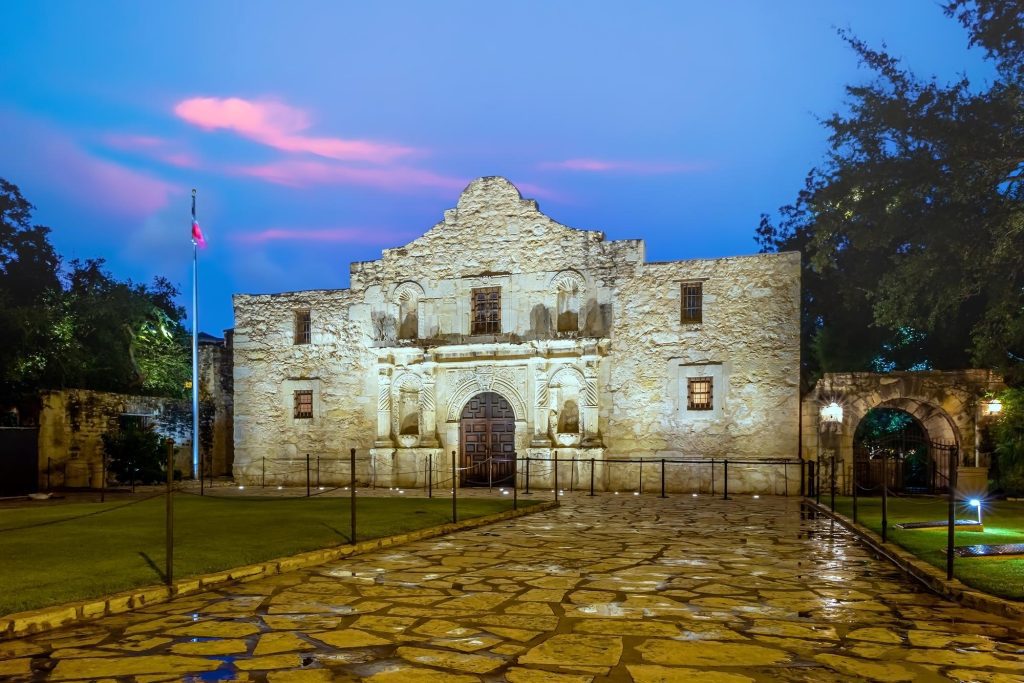
On February 23, 1836, the Siege of the Alamo commenced with the arrival of Santa Anna’s army in San Antonio de Béxar. The defenders, initially numbering around 150 men, were soon reinforced by 32 volunteers from Gonzales, bringing their total to nearly 200. Despite being heavily outnumbered, the Alamo defenders, led by figures such as William B. Travis, James Bowie, and Davy Crockett, vowed to fight to the death.
Santa Anna’s red flag, flown from the San Fernando Church, signaled that no quarter would be given to the defenders, setting a grim tone for the 13-day siege. On February 24, 1836, Travis famously wrote a letter seeking reinforcements, ending with the words “Victory or Death”. The Alamo’s defenders held out valiantly, but on March 6, 1836, the siege ended with all the defenders perishing.
The Battle of the Alamo became a rallying cry for Texan forces, symbolizing their determination and sacrifice. The loss, though devastating, galvanized the Texan army and fueled their resolve to achieve independence from Mexico.
San Jacinto And Texas Independence
On April 21, 1836, the momentum accumulated from the Battle of the Alamo led to the pivotal Battle of San Jacinto. Led by General Sam Houston, the Texan forces launched a surprise attack on Santa Anna’s army, capturing Santa Anna himself and securing a critical victory that paved the way for Texas independence.
This victory is commemorated annually through Fiesta San Antonio, a citywide celebration that began in 1891 to honor the heroes of the Alamo and the Battle of San Jacinto. Over the years, Fiesta San Antonio has evolved into a major cultural event in the Alamo City, drawing visitors from around the world to celebrate San Antonio’s rich history and vibrant culture.
Growth And Development In The 19th Century
San Antonio underwent a phase of substantial growth and development during the 19th century. The city expanded its infrastructure, welcomed diverse immigrant populations, and strengthened its economic ties to the United States. By 1860, San Antonio had grown to a city of 15,000 people, benefiting from peace and economic connections.
The arrival of the railway in 1877 was a transformative event, connecting San Antonio to major markets and leading to a commercial boom. Additionally, the establishment of Fort Sam Houston in the 1870s solidified San Antonio’s role as a key military center, contributing to the local economy and ensuring the city’s defense.
Early Nineteenth Century Expansion
In the early 19th century, infrastructure development and immigration fueled a swift expansion in San Antonio. The construction of roads and bridges enhanced connectivity, facilitating trade and movement within the region. The city’s investment in public buildings, such as schools and hospitals, catered to the growing population.
The arrival of German immigrants in the late 1840s added cultural diversity and contributed to the city’s growth. These immigrants brought new skills and traditions, enriching the fabric of San Antonio and helping it become a more dynamic and vibrant community.
Arrival Of The Railway
In 1877, the advent of the Galveston, Harrisburg, and San Antonio Railroad signaled a turning point in San Antonio’s history. This San Antonio railway connection integrated the city with major markets across the United States, leading to a commercial boom. The establishment of a two-story wooden depot symbolized the newfound connectivity and commercial potential.
Further bolstering San Antonio’s economic integration, the International-Great Northern Railroad extended its reach to the city four years later, in 1881. By 1883, the Southern Pacific Railroad’s line connected San Antonio to the west, creating a transcontinental route. This railway expansion was instrumental in integrating San Antonio into the American mainstream economy, facilitating trade and the movement of goods and people.
Military Presence And Fort Sam Houston
Established in the 1870s, Fort Sam Houston had a pivotal role in the defense and development of San Antonio. The construction of the quadrangle and other significant military buildings underscored the fort’s importance. It was established to protect the frontier and played a significant role in ensuring the security and stability of San Antonio and surrounding areas.
The presence of Fort Sam Houston attracted military personnel and their families, contributing to the local economy and the city’s growth. The fort’s importance to San Antonio’s identity is evident today, with the city proudly trademarking the title ‘Military City, U.S.A.’ in 2017.
Cultural And Economic Flourishing In The 20th Century
The 20th century ushered in a phase of significant economic and cultural prosperity for San Antonio. Driven largely by military installations and the burgeoning aerospace industry, San Antonio prospered and became a significant economic hub. The city’s strong military presence provided economic stability, while companies like Boeing and Lockheed Martin established operations, further bolstering the local economy. In this context, it’s clear that San Antonio succeeded.
San Antonio also emerged as a top tourist destination, attracting visitors with its historical significance, diverse cultural offerings, and landmarks like the San Antonio Missions National Historical Park. San Antonio served as the backdrop for the vibrant Fiesta San Antonio celebration, which further adds to its appeal.
These attractions drew crowds from around the world, showcasing the city’s unique blend of history and modernity.
San Antonio’s Economy
With its roots in agricultural and ranching heritage, San Antonio’s economy flourished during the 20th century. The city was a hub for cattle trade and wool market development, supporting a robust agricultural economy. Industrial development also played a key role, with companies like Pioneer Flour Mills and Alamo Iron Works contributing to economic growth.
The presence of military bases and operations provided a stable economic foundation throughout the century. Additionally, the emergence of the aerospace industry, with major players like Boeing and Lockheed Martin establishing a presence, further bolstered San Antonio’s economy and positioned it as a critical hub for innovation and industry.
Cultural Landmarks And Institutions
The cultural richness of San Antonio is showcased by its myriad of landmarks and institutions, including the San Antonio Zoo. Brackenridge Park, donated by George Washington Brackenridge in 1899, became a beloved scenic park and a testament to the city’s commitment to preserving natural beauty. The San Antonio Museum Association, chartered in 1925, played a pivotal role in opening the Witte Memorial Museum in 1926, enhancing the city’s cultural landscape.
Events like the Amazing Preservation Race engage both residents and visitors, combining a scavenger hunt with challenges focused on San Antonio’s historical and cultural landmarks. These initiatives help keep the city’s rich history alive and ensure that future generations appreciate and preserve San Antonio’s unique heritage.
Fiesta San Antonio
Starting with the Battle of Flowers Parade in 1891 to honor the victory at the Battle of San Jacinto, Fiesta San Antonio has grown into one of the city’s most cherished traditions. Over the years, this celebration has evolved into a citywide event featuring parades, festivals, and various cultural activities, drawing crowds from around the world.
Today, Fiesta San Antonio is a major cultural celebration that showcases the city’s vibrant history and diverse cultural heritage. It serves as a testament to San Antonio’s ability to honor its past while embracing the present, making it a must-visit event for anyone looking to experience the city’s unique charm and spirit.
Modern San Antonio: A Blend Of History And Progress
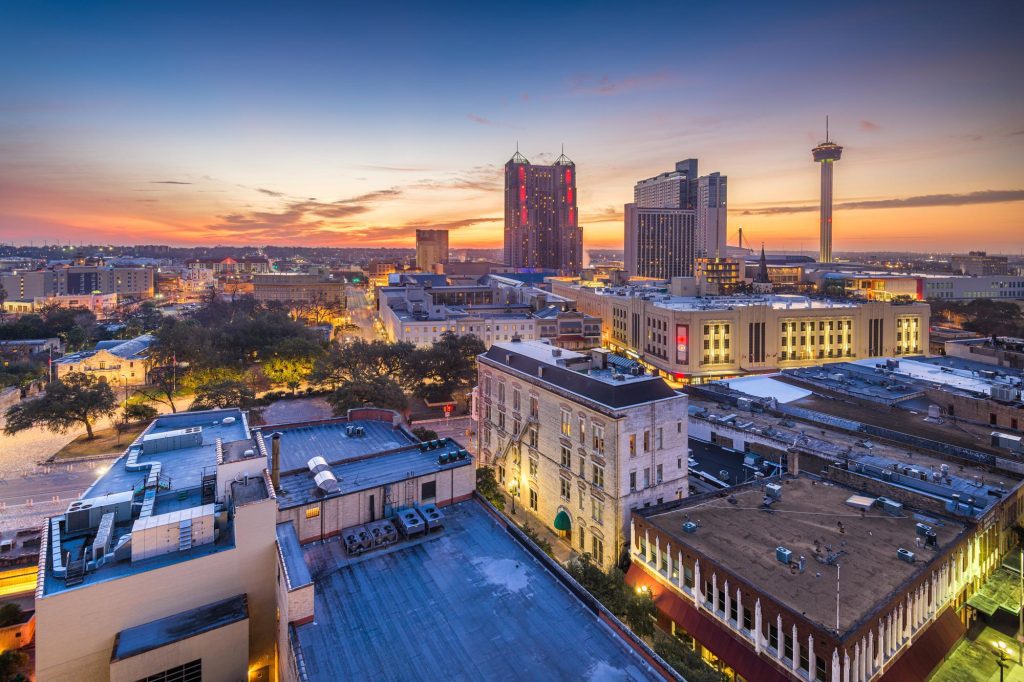
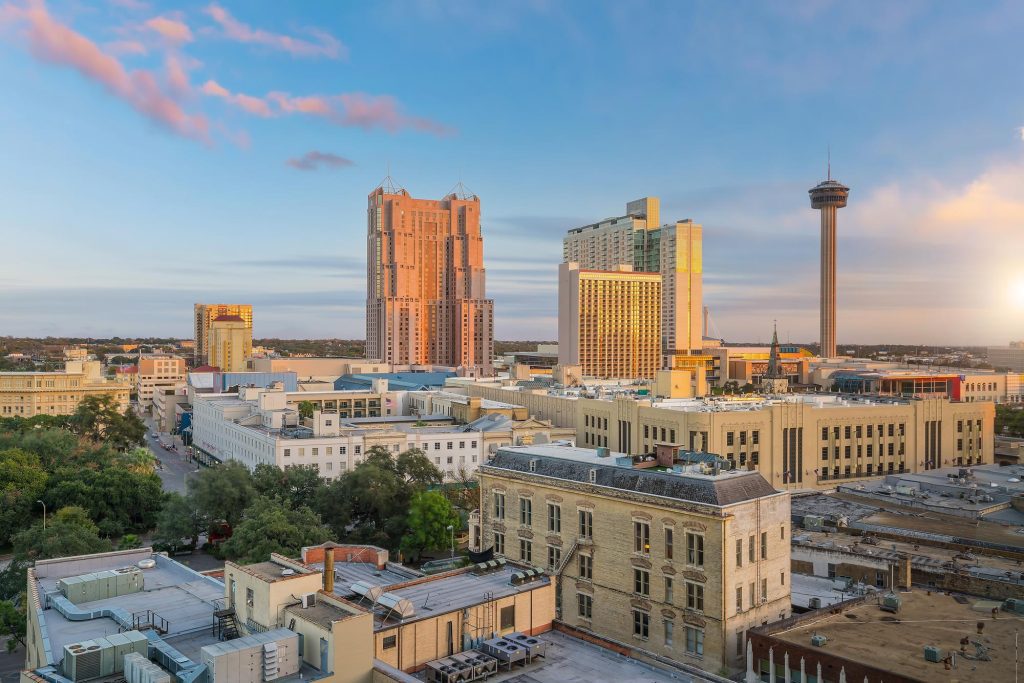
Modern San Antonio beautifully harmonizes its extensive historical heritage with contemporary growth and expansion. This unique blend of old and new is evident in the city’s dedication to preserving historical sites while fostering modern advancements. San Antonio’s ability to maintain its heritage while embracing progress creates a dynamic and vibrant community that continues to attract residents and visitors alike.
The city’s efforts to preserve its historical sites through organizations like the San Antonio Conservation Society and the Office of Historic Preservation highlight its commitment to maintaining its cultural legacy. At the same time, modern developments in downtown San Antonio and along the River Walk showcase the city’s growth and vibrancy, making it a central hub for both locals and tourists.
Preserving Historical Sites
San Antonio’s commitment to the preservation of its historical sites is manifested in the endeavors of the San Antonio Conservation Society. Established in 1924, this society has been instrumental in safeguarding the city’s historical buildings and landmarks. The City of San Antonio Office of Historic Preservation partners with local organizations to host events showcasing the city’s cultural heritage, such as Preservation Month in May, which highlights the city’s unique built heritage and traditions.
One of the most significant preservation projects is the restoration of San Fernando Cathedral, which involves:
- Skilled artisans matching the work of original craftsmen from centuries ago
- A project approved by the Texas Historical Commission
- Ensuring that the cathedral’s historical integrity is maintained
- Preserving its cultural and religious significance for future generations.
Downtown San Antonio And River Walk
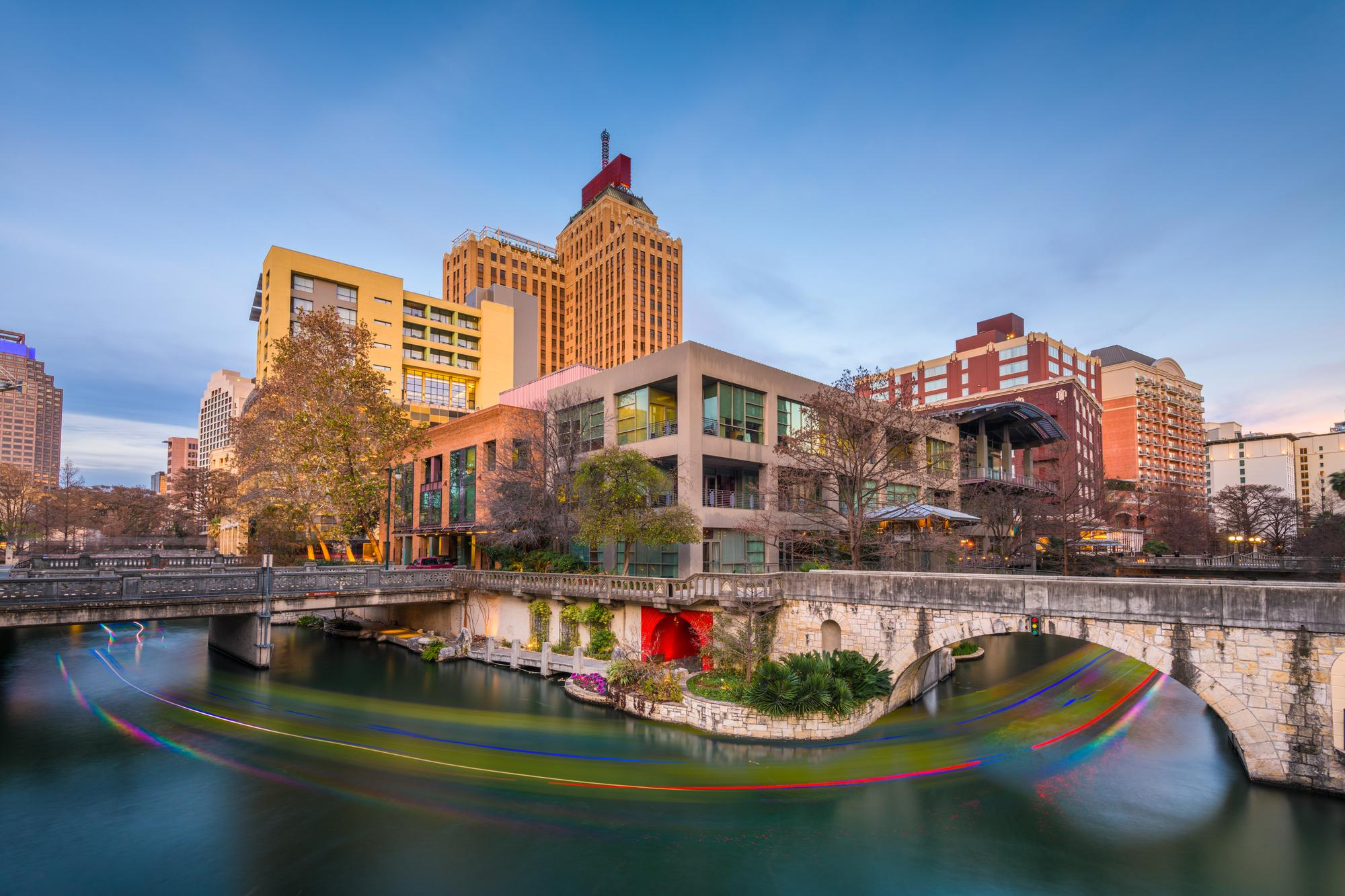
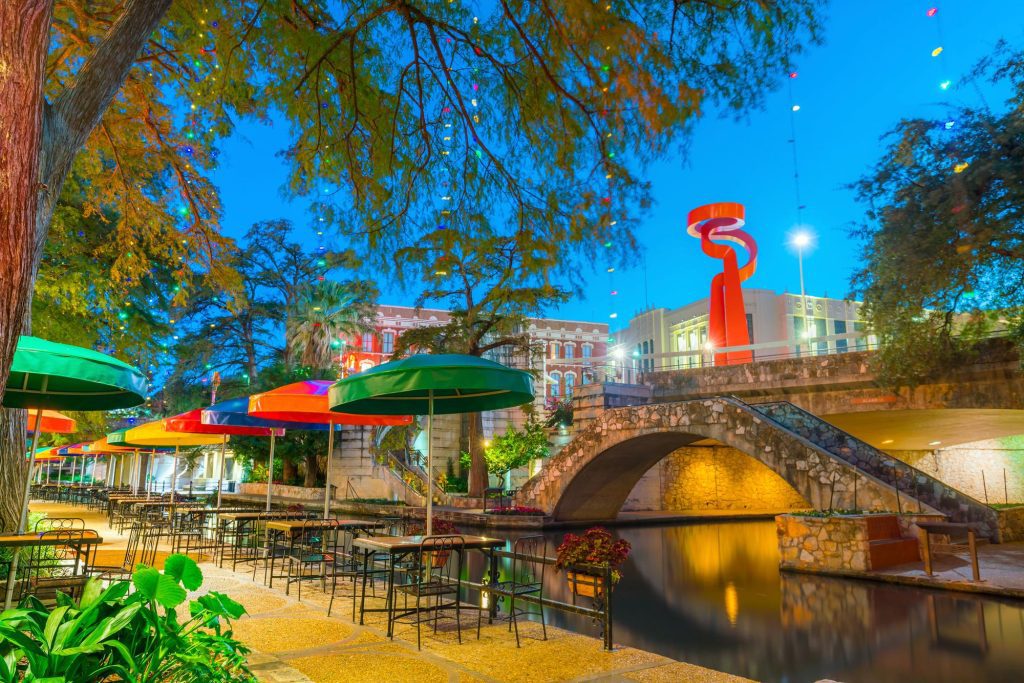
While preserving its historical charm, downtown San Antonio has experienced substantial development and has become a central hub for both locals and tourists. The San Antonio River Walk, completed in 1941, has become a major cultural and tourist attraction, featuring a mix of shops, restaurants, and cultural sites along the picturesque San Antonio River. Additionally, the revitalization of San Pedro Creek has contributed to the area’s appeal.
The River Walk, often referred to as the “Paseo del Rio,” has become synonymous with San Antonio’s vibrant culture and history. It serves as a gathering place for various events and festivals, including the renowned Fiesta San Antonio, which draws visitors from around the world and showcases the city’s unique blend of old and new.

San Antonio’s Rapid Growth
Recent years have seen San Antonio undergoing swift population growth, fueled by robust economic development and affordable housing. The city’s diverse cultural attractions, including its historical sites, vibrant festivals, and modern amenities, contribute to its appeal and continue to attract new residents and visitors.
This growth has positioned San Antonio as one of the most populous cities in Texas, reflecting its dynamic and thriving community. The balance between preserving its rich history and embracing modern development ensures that San Antonio, Texas remains a unique and desirable place to live, work, and visit.
International Relations And Twinning Cities
Through its Sister Cities program, San Antonio’s active involvement in international cooperation demonstrates its dedication to nurturing cultural exchange and economic advantages. This program has established relationships with eleven cities worldwide, promoting shared projects and cultural exchanges that benefit both San Antonio and its international partners.
The Sister Cities program not only enhances cultural understanding and appreciation but also brings tangible economic benefits to the local community. By fostering international connections, San Antonio has seen:
- An increase in international visitors
- Boosting local hotel occupancy and spending
- Promoting technical and economic exchanges that benefit local businesses.
Sister Cities Program
San Antonio’s Sister Cities program has built relationships with eleven cities worldwide, including:
- Monterrey, Nuevo Leon, Mexico (since 1953)
- Guadalajara, Mexico
- Las Palmas, Spain
- Gwangju, South Korea
- Baguio, Philippines (since 2022)
These relationships facilitate shared projects and cultural exchanges, benefiting both the local community and its international partners. Through the Sister Cities program, San Antonio engages in a variety of initiatives that promote:
- Cultural understanding
- Economic cooperation
- Enhancing the city’s global connections
- Local vitality
Impact On Local Culture
The Sister Cities program has a substantial impact on local culture. It fosters cultural exchanges that enhance local understanding and appreciation of diverse cultures, bringing international visitors to San Antonio and promoting cultural events and activities. This increased cultural diversity enriches the local community and creates a more vibrant and inclusive environment.
In addition to cultural benefits, the Sister Cities program promotes:
- Technical and economic exchanges that benefit local businesses
- Economic growth and development
- International connections that foster a more dynamic and globally connected city
These benefits have a significant impact on San Antonio’s local culture and economy, including institutions like San Antonio College.
Summary
San Antonio’s rich history is a tapestry woven with threads of colonization, revolution, growth, and cultural exchange. From its founding in 1718 by Spanish settlers to its role in the Texas Revolution and rapid growth in the 19th and 20th centuries, San Antonio has emerged as a city that honors its past while embracing the future. The city’s dedication to preserving historical sites and fostering international relations highlights its commitment to maintaining its unique heritage while promoting progress and innovation.
As we reflect on San Antonio’s journey through time, it is clear that the city’s ability to balance history and modernity is what makes it truly remarkable. Whether you are a resident or a visitor, San Antonio offers a rich and vibrant experience that celebrates its diverse cultural heritage and dynamic growth. We invite you to explore this incredible city and discover the stories that have shaped its past and continue to influence its future.
Frequently Asked Questions
When was San Antonio founded?
San Antonio was officially founded on May 1, 1718, by Spanish Governor Martín de Alarcón.
What was the role of the Spanish missions in San Antonio?
The Spanish missions in San Antonio played a crucial role in converting the local indigenous populations to Christianity and teaching them farming and ranching skills, which significantly contributed to the area’s development.
What happened during the Battle of the Alamo?
The Battle of the Alamo was a pivotal event in the Texas Revolution. Lasting 13 days from February 23 to March 6, 1836, the defenders fought valiantly until all perished, becoming a rallying cry for Texan forces.
How did the arrival of the railway impact San Antonio?
The arrival of the railway in 1877 connected San Antonio to major markets, leading to a commercial boom and integrating the city into the American mainstream economy, impacting its growth and economic development.
What is Fiesta San Antonio?
Fiesta San Antonio is an annual cultural celebration that began in 1891 with the Battle of Flowers Parade, commemorating the victory at the Battle of San Jacinto. It has grown to feature parades, festivals, and diverse cultural activities.