

What is an easement, and how does it influence your property rights? An easement is a legal provision that allows someone the right to use a portion of your property for a specific purpose, even though they do not own it. This concept is pivotal in real estate as it can shape access to property, dictate land usage, and impact property value. Whether you’re a homeowner, prospective buyer, or simply curious, this guide will help you understand the different types of easements, how they’re created and terminated, and the ways they might affect you.
Key Takeaways
- Easements grant usage rights to another party without transferring ownership, necessitating a balance between the property owner’s rights and the easement beneficiary’s privileges.
- There are various types of easements, such as affirmative, negative, appurtenant, and gross, each with specific implications for property use and value that must be considered during property transactions.
- Easements have legal implications affecting property value and marketability, and issues involving them can be resolved through negotiation, mediation, arbitration, or litigation; they can also be created and terminated by legal means.
Deciphering the Basics of Easements in Real Estate
Despite being common in real estate, easements often remain unnoticed until they directly impact you. At their core, easements grant usage rights to another party while the property owner retains ownership, a delicate balance where legal boundaries must be respected. Consider the relationship between a dominant estate—the beneficiary of the easement—and the servient estate, which must permit access to its property. While property owners cannot impede these granted uses, easement holders are equally bound to avoid any interference with the owner’s rights.
These are not one-size-fits-all arrangements; easement agreements are tailored, often intricately, to fit the specific needs and circumstances of the involved parties, particularly in private easements.
The Purpose of Easements
Easements aren’t whimsically created; they perform crucial roles in preserving property accessibility and infrastructure. From utility to driveway easements, they ensure that essential services are provided and everyday conveniences are upheld. For example, utility companies may be granted utility easements to install power lines or pipelines, while an access easement may allow a neighbor to use a portion of your property to reach their home.
Additionally, in situations like landlocked properties, it becomes indispensable to establish a property easement by necessity, guaranteeing each property’s legal access to a public road.
Public vs. Private Easements
The nature of an easement can significantly depend on whether it caters to public or private interests. Public easements, such as public roads and utilities, typically support the greater good and are often managed by municipal agencies.
On the flip side, private easements are more personal, arranged between individuals or entities for specific property uses, such as a shared driveway or a private pathway to the beach, which can be considered a private easement.

Understanding Types of Easements
Easements are available in various forms, each impacting how the property can be used. Historically, the courts have recognized various types of easements, including:
- Rights of way
- Easements concerning artificial waterways
- Easements for utilities (such as power lines or pipelines)
- Easements for access to a beach or waterfront
While monetary compensation to the landowner is a common facet, the real crux lies in maintaining and using the person’s land under adverse possession, where an excessive burden on the servient estate is a definite no-go.
Affirmative and Negative Easements
The easements universe is two-fold: an affirmative easement permits specific actions, whereas a negative easement enforces restrictions. Affirmative easements might grant the right to cross a property to reach the road, whereas negative easements might prevent a property owner from building a structure that obstructs a neighbor’s view.
The impact of these easements on private property values is significant as they can limit potential enhancements or upgrades.
Appurtenant vs. Gross Easements
Grasping the distinction between easement appurtenant and gross easements is critical to understanding how they affect property rights. An appurtenant easement benefits the property and is inherently transferred with it, whereas a gross easement is personal to the holder and may not transfer with the sale of the property. This distinction is critical when considering the sale or purchase of a property subject to an easement.
Legal Implications of Easements on Property
Easements carry legal implications that can influence the value and marketability of your property in varying ways. While many easements run with the land and don’t pose a problem when ownership changes hands, an easement in gross can complicate property rights and potentially decrease market value.

How Easements Affect Property Value
An easement could be a double-edged sword for property value. On one hand, the necessary presence of certain structures may detract from the land’s overall appeal. On the other hand, easements can hamstring the owner’s ability to make enhancements or renovations, thus limiting the property’s potential market value. It’s a pivotal factor for potential buyers to consider and must be clearly outlined in disclosure documents.
Navigating Property Disputes Involving Easements
When the balance of easement rights is disrupted, conflicts can emerge. These can often be settled amicably through:
- Communication and negotiation, finding a middle ground that respects both parties’ interests
- Mediation or arbitration, which offer less formal avenues for resolution
- Litigation, which stands as the final, more formal battleground to settle such disputes.
Each of these paths, from quiet title actions to legal remedies, demands careful navigation and, often, the guidance of a real estate attorney.
Establishing and Terminating Easements
Easements aren’t perpetual; legal and practical circumstances dictate their inception and termination. Creating an easement can be as straightforward as including it in a property deed or as complex as requiring a court to establish a necessity.

Creating an Easement: The Essentials
Conversely, they can be extinguished through various means, from mutual agreements to legal actions.
Initiating an express easement is a formal process that requires a legal document detailing the property’s rights and intended use. To be legitimate, this document must be notarized and recorded.
Easements by necessity, such as an implied easement, are a special breed, born out of the indispensable need for access and often solidified through a lawsuit involving implied easements.
When Easements Come to an End
The duration of an easement can be limited, ceasing when the holder relinquishes their rights or when the predefined conditions are satisfied. Special scenarios also exist where an easement may be terminated, such as when the original need for it no longer exists or has been misused.
The government can also extinguish an easement through eminent domain if it’s in the public’s best interest.
Protecting Your Rights as a Property Owner or Easement Holder
Regardless of whether you’re the recipient or provider of an easement, comprehending your rights and their protection is crucial. Legal advice is indispensable here; a real estate attorney can help parse through the complexities that come with the territory.
Ensuring Proper Use of Your Land
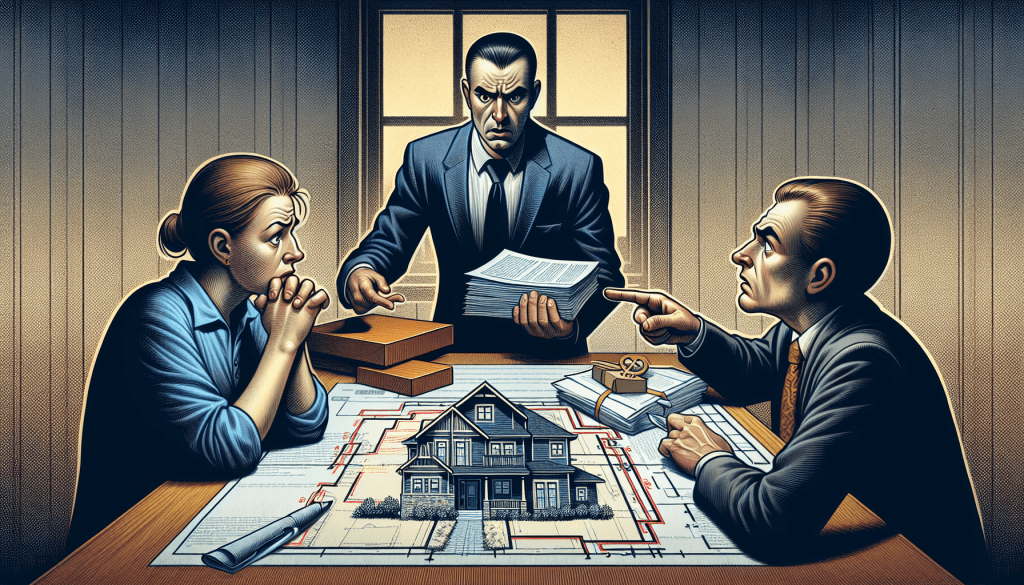
For property owners, warding off unauthorized use often involves setting clear boundaries, occasionally in a literal sense. Clear signage and reasonable restrictions can deter prescriptive easements arising from prolonged, unauthorized use. Remember, once established, a prescriptive easement can be challenging to undo unless an alternative that negates its necessity is provided.
Defending Against Unauthorized Easements
In the case of unauthorized easements, the key lies in differentiating between allowable use and blatant encroachment. Recording a notice of consent can act as a legal shield against claims of prescriptive easements, maintaining the property owner’s rights.
Real-Life Examples of Easement Situations
Life often presents more nuanced scenarios than what might be found in legal textbooks. Imagine neighbors sharing a dock or a utility company regularly crossing your property to maintain power lines—both are situations where easement rights, such as a utility easement, come to the forefront.
Summary
Navigating the world of easements can feel like traversing a legal labyrinth. From understanding the different types to protecting your rights and resolving disputes, this guide has illuminated the pathway. Armed with knowledge, property owners and easement holders can confidently approach these complex legal relationships, ensuring their property rights are preserved.
Frequently Asked Questions
What exactly is an easement in real estate?
An easement in real estate is a legal right allowing someone to use another person’s property for a specific purpose while the property owner still maintains ownership.
How can an easement affect the value of my property?
An easement can decrease your property’s market value if it imposes construction or land use restrictions that affect the property’s appeal or potential for improvement. Consider seeking legal advice to understand the impact on your property value.
Can I terminate an easement on my property?
Yes, easements can be terminated by a written release from the easement holder, expiration of its term, or under certain legal circumstances. These include misuse or if the holder purchases the property.
What legal actions can I take if my easement rights are being violated?
You can attempt negotiation or mediation for an amicable resolution. If needed, you may pursue arbitration or litigation to enforce your easement rights or seek damages.
How do I create an easement on my property?
To create an easement on your property, you need to draft a legal document outlining the rights and usage, have it notarized, and properly recorded. This will ensure the legality and enforceability of the easement.