
Navigating utility easement rights Texas is vital for property owners and utility companies. This guide will explain what utility easements are, how they are established, and the rights and responsibilities of both parties.
Key Takeaways
- Utility easements grant utility companies access to private property for essential services, including installation and maintenance of infrastructure like power lines and water pipes.
- Property owners retain rights concerning utility easements, such as limiting access in certain situations, but must also fulfill responsibilities like maintaining clear access and documenting any utility-related damage.
- Disputes over utility easements can arise, necessitating effective communication and legal documentation; property owners should seek legal advice to resolve issues and understand their rights.
What Are Utility Easements?
Utility easements are legal rights that allow utility companies to access private property for specific purposes. These easements allow for the upkeep of infrastructure that delivers electricity, water, and telecommunications. Without utility easements, it would be nearly impossible for utility companies to install and maintain the necessary equipment on private lands.
Utility easements primarily enable the installation and upkeep of services. For example, they allow companies to install power lines, fiber optic cables, and other essential infrastructure. Additionally, these easements permit utility companies to carry out essential tasks such as trimming trees that block utility lines or repairing damaged equipment.
These designated areas enable utility companies to manage and operate their equipment effectively. For property owners, grasping the concept of private easements clarifies the extent of the utility company’s access and the nature of the tasks they can perform on their land.
Types Of Utility Easements
Utility easements come in various forms, each serving a specific purpose. Broadly, they fall into two categories: affirmative easement and public easements. Affirmative easement grants utility companies the right to enter and perform specific acts on a property, such as laying down utility lines or accessing utility poles.
Public easements, on the other hand, grant usage rights to the public at large. These are often created by dedication, prescription, or government condemnation. City streets in San Antonio, for instance, may have public easements to lay sewer, gas, and water lines. These easements ensure that essential services are accessible to everyone, not just the property owner.

Another important type is easements in gross, which are not attached to a specific tract of land but are owned by a business or entity. An example of this type is pipeline easements for oil and gas production. They are commonly seen in the industry. Property owners need to understand these distinctions to navigate easement issues and their implications on land use and property value effectively.
How Utility Easements Are Established
Utility easements can be established through various methods, the most common being written agreements. These agreements clearly define the rights and responsibilities of both the property owner and the utility company. However, easements can also be implied under certain conditions, even without a formal agreement.
Court orders for implied or express easements should be filed in the county deed records to ensure proper documentation and legal recognition.
One way easements are implied is through necessity. For example, if a property owner sells a landlocked parcel, an implied easement by necessity may be established to ensure access to the land. This can include not just road access but also essential utilities. However, implied easements by necessity are not recorded, posing risks for buyers who may be unaware of existing easements on their property.
Knowing how utility easements are established helps property owners recognize potential legal implications and prepares them for any easement issues that may arise. Such knowledge also assists in negotiating fair terms and compensation when granting an easement.
Property Owner Rights And Responsibilities
Property owners retain certain rights even when their land is subject to utility easements. For instance, they can limit or restrict access in specific circumstances, although they cannot block or obstruct the easement entirely. Property owners should note that utility easements do not grant them the right to profit from the easement area. Property owners need to understand the extent of the utility company’s access and the nature of the tasks they can perform on his or her land.
Maintenance is a significant responsibility for property owners. They are generally responsible for maintaining access to easements, which includes clearing overgrown vegetation that might obstruct utility lines. In the case of public easements, these duties might be shared with local government authorities.
When utility damage occurs, property owners should document the damage and communicate with the utility company to seek compensation. Specific details, including the location and description of the damage, are crucial for supporting claims. Keeping copies of all repair invoices can further aid in this process.
Engaging appraisers and legal advisors can be beneficial, ensuring property owners receive fair compensation and comply with easement laws. Knowing whether the company seeking the easement has eminent domain authority can also impact negotiation leverage.
Utility Company Rights And Obligations
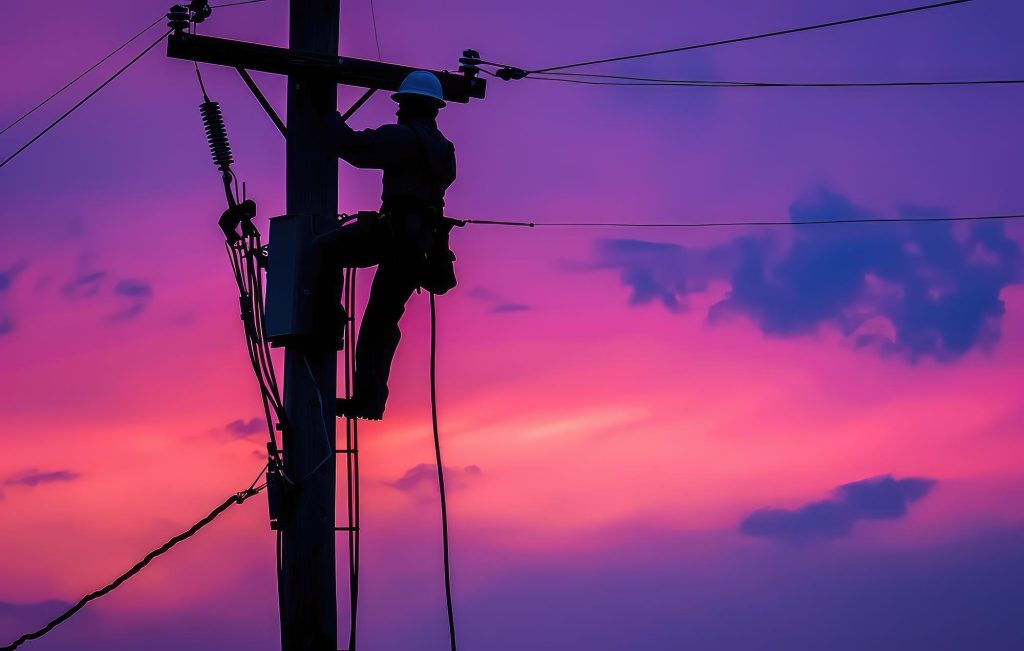
Utility companies have the legal authority to use easements for installing and maintaining their equipment. This access is crucial for ensuring that essential services like electricity and water are continuously available to the public. However, these companies must adhere to specific state laws that detail their access rights and responsibilities.
Utility companies are generally required to notify property owners before entering private property for maintenance. Such communication helps manage expectations and keeps property owners informed of the work being done on their land. The areas that utility crews can access are specified in the easement agreement, although access to other parts of the property may be needed for proper functioning and maintenance of utility systems.
Utility easements must be defined in writing to clarify the access rights and obligations of utility companies. This clarity helps prevent potential disputes and ensures that both parties understand their roles and responsibilities.
Finding Utility Easements On Your Property
Property owners can find utility easements by checking their property deed and survey. These documents often contain detailed information about any easements that affect the property. Local land offices also maintain surveys that can help identify easements on a property.
County property records, maintained by the county clerk, usually include utility easement information and are accessible to the public. Some county clerks’ offices in Texas offer online access to property records, making it easier for property owners to find the information they need.
Utility companies themselves may keep records of easements. By contacting the utility company directly, property owners can obtain detailed information about any utility easements on their land. Understanding where these easements are can help property owners manage their land more effectively and avoid potential conflicts.
Resolving Disputes Over Utility Easements
Disputes over utility easements can arise for various reasons, such as disagreements over access rights or maintenance responsibilities. In such cases, local authorities may impose penalties on property owners who neglect easement maintenance responsibilities.
Resolving these disputes often requires clear communication between the property owner and the utility company. A legal agreement and documentation play a crucial role in this process, helping to clarify each party’s rights and obligations. Property owners should seek legal advice if disputes become contentious, ensuring their rights are protected.
Easement Maintenance Responsibilities
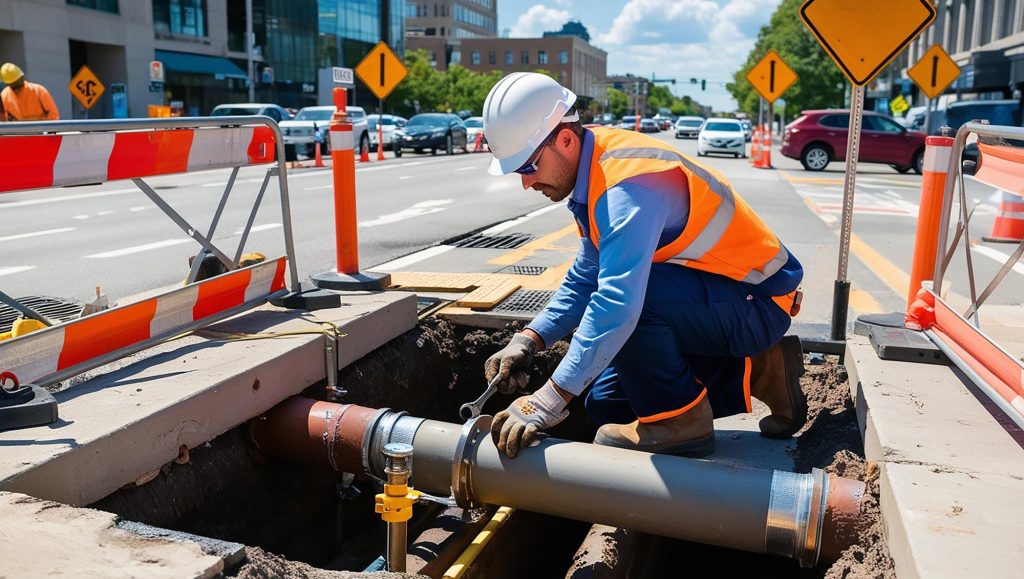
Typically, the entity benefiting from the easement is responsible for its upkeep. This means that the utility company or the person granted the easement must maintain the easement area to ensure it remains accessible and functional.
Property owners, however, are generally responsible for clearing vegetation that obstructs the public right of way. This shared responsibility ensures that public easements are maintained properly and remain accessible for utility services. Local laws may specify additional maintenance responsibilities for property owners, and failure to comply can lead to fines from local authorities. Additionally, property owners must be aware of the rights of way that may affect their land.
Knowing these maintenance responsibilities helps property owners avoid legal issues and ensures that utility services are not disrupted. It also promotes good relations with utility companies, which can be beneficial in the long term.
Impact Of Utility Easements On Property Value
Utility easements, while essential for providing basic services like water and electricity, can have a significant impact on property value. These easements can create financial burdens due to maintenance responsibilities and may also lead to a decrease in property value, especially if they involve infrastructure like power lines.
Moreover, the presence of a utility easement can limit how a property can be utilized, which may deter potential buyers. Properties with utility easements often experience a longer selling process due to buyer hesitations and the perceived limitations on the property’s use.
Municipalities can also impose charges on landowners for improvements related to utility easements, adding to the financial burden. Understanding these implications helps property owners make informed decisions about their land and manage their expectations when selling a property with utility easements.

Legal Recourse For Property Damage
If property is damaged due to utility work, property owners should seek compensation from the responsible party. Documenting the damage is crucial, as it provides evidence to support compensation claims. Property owners should communicate with the utility company or other relevant parties, providing specific details about the damage.
Utility companies may be liable for damages if a property owner can prove negligence in the work performed. Keeping records of all communications and repair invoices can strengthen a property owner’s case and facilitate the compensation process.
Knowing the legal recourse available for property damage helps property owners protect their interests and ensures any damage to personal property caused by utility work is appropriately addressed.
Summary
Understanding utility easements is crucial for Texas property owners. These legal rights enable utility companies to install and maintain essential infrastructure, but they also impose certain responsibilities on property owners. Knowing the types of easements, how they are established, and the rights and responsibilities involved can help property owners manage their land more effectively and avoid potential disputes.
Frequently Asked Questions
What is a utility easement?
A utility easement allows utility companies the legal right to access private property for the installation and maintenance of utility services. This ensures the necessary infrastructure can be maintained while respecting property lines.
How can I find out if there is a utility easement on my property?
To determine if there is a utility easement on your property, review your property deed and survey documents, or contact local land offices and access county property records held by the county clerk. This approach will provide you with the necessary information regarding any existing easements.
Who is responsible for maintaining a utility easement?
The entity benefiting from the utility easement is primarily responsible for its maintenance, although property owners may also share some maintenance duties, particularly in the case of public easements.
Can utility easements affect my property value?
Utility easements can negatively affect your property value by imposing maintenance responsibilities and restricting how the property can be utilized. Ultimately, this can lead to a decrease in market appeal and pricing.
What should I do if my property is damaged due to utility work?
If your property is damaged due to utility work, promptly document the damage and communicate with the utility company to seek compensation. Establishing negligence may hold the utility company liable for repairs.



3 comments
Karen (withheld)
Thank you so much for posting this Guide on Texas Utility Easements; I purchased a HUD foreclosure house, that has been a nightmare for the past 5 years. (I’m still not unpacked) This property is at the end of the Street abutting neighbor built a swimming pool w/o permit, installed drainage on my property (no easement) My other neighboring property is 7+ acres of unmaintained Trees and containing the public utilities (platted) a tree fell 35′ away onto my roof & power line. The City, Swepco (electric) and property owner, tell me, it’s my responsibility to cut the trees that cross over into my property. Other neighbor discharging flooding and containmentation. I work on this issue + cleanup after each rain (heavy rainfall 45-50″) 24/7 and haven’t been able to find help. I have not benefited in ANY WAY, no peace, freedom or joy in ownership of this property! I am now concluding the 90% responsibility and benefiting party is Municipal and their duty to manage, regulate, protect property and their citizens. I moved here from 3 hours away, so was unaware and never thought to Investigate a City Gov. Public Utilities before buying a house. It’s been a death trap.
T Keeling
I appreciate all you information but one thing that you did not address is what if anything can be done it the utility company puts up guide wires into the ground from the pole and they put them outside of the established utility easement. Can anything be done about this?
kimberlyhowellproperties
This would be a question best asked of a real estate attorney. Once there is a thought that an easement is being violated, then it’s up for attorneys to hash it out.