
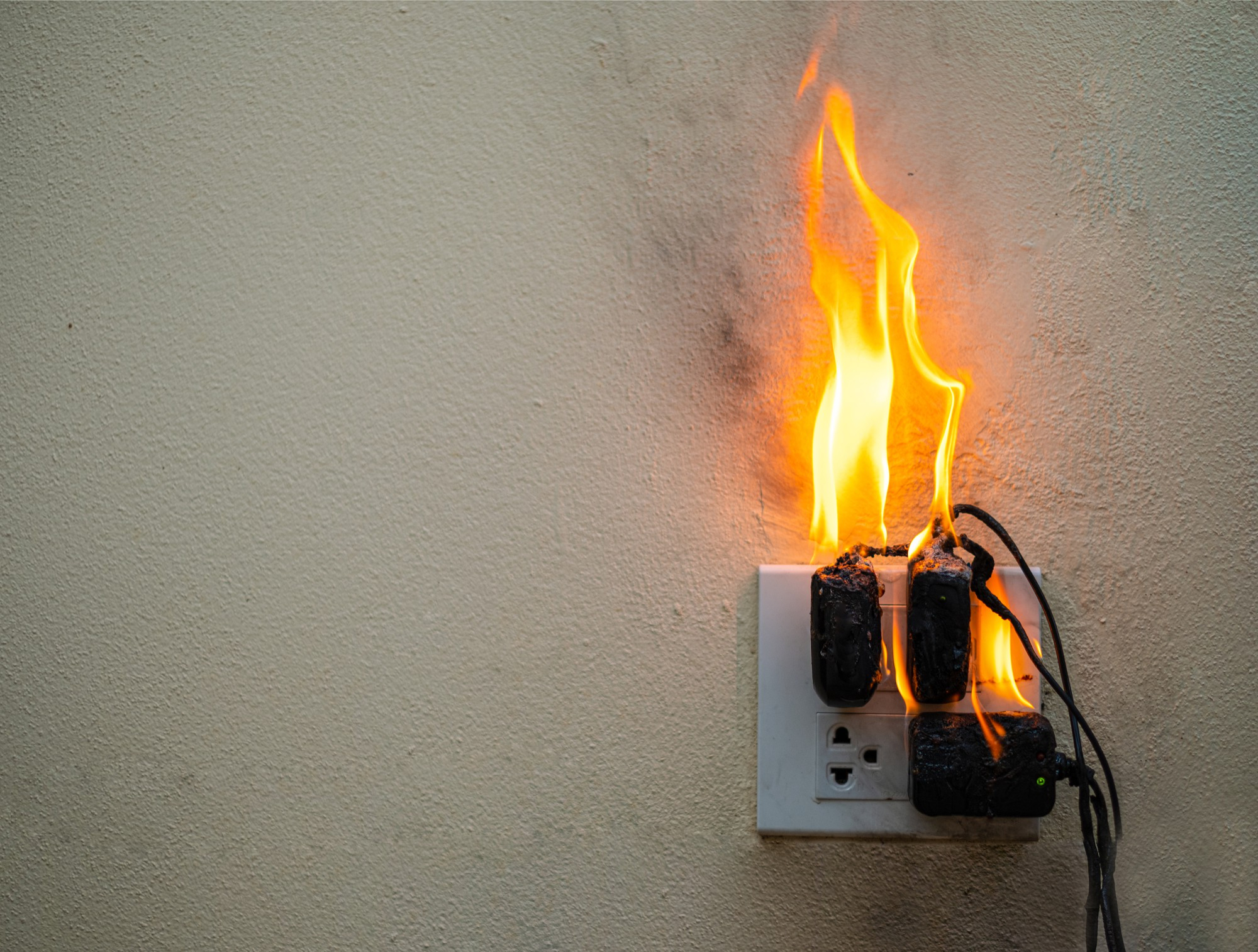
A residential service contract, or home warranty, helps homeowners manage repair costs for major systems and appliances. It covers repairs or replacements due to normal wear and tear for a set fee. This article explores how these contracts work, their benefits, and if they’re worth the investment.
Key Takeaways
- A residential service contract offers financial protection for homeowners against unexpected repair costs for appliances and systems, providing peace of mind, especially for those in older homes.
- These contracts vary in coverage options, including add-ons for specific home features, making it essential for homeowners to carefully review terms and exclusions to avoid surprises when filing claims.
- Choosing a reliable service provider is crucial; recommendations, customer feedback, and comprehensive plan evaluations can help ensure homeowners select a provider that meets their specific needs.
Understanding Residential Service Contracts
A residential service contract is a service where a company agrees to repair or replace covered appliances or systems for a fee over a specified period. Also known as home warranties, these contracts are typically sold by third-party companies and are different from the warranties provided by builders. The name home warranty is a bit of a misnomer and sometimes can lead to some confusion about what their actual purpose is. They are particularly beneficial for homeowners of older homes with aging systems and appliances, offering a layer of financial protection against unexpected repair costs.
The peace of mind that comes with a residential service contract cannot be overstated. For many homeowners, the thought of facing a hefty repair bill for a major home system or appliance is daunting. With a residential service contract, you can rest easy knowing that the financial burden of such repairs is significantly reduced. These contracts can be renewed annually, making them an ongoing safety net for your home.
Moreover, most residential service contracts are highly recommended during real estate transactions, providing both buyers and sellers with a sense of security. Buyers can move into their new home without the immediate worry of repair costs, while sellers can offer an added incentive that might make their property more appealing. Additionally, residential service agreements can further enhance the protection offered in these transactions, especially when considering residential service contract work.
Whether you are buying a new home or simply looking to add an extra layer of protection to your current residence, a residential service contract is worth considering.
How Do Residential Service Contracts Work?
Understanding how a residential service contract works can help you make the most of this valuable resource. The process begins with purchasing a contract, which you can do at any time while owning or renting out a home. Once you have a contract in place, the steps to file a claim are straightforward.
When a covered item fails, the first step is to call the provider to report the problem. The company will then arrange a service call with a technician to assess and address the issue. Some companies even allow homeowners to choose their own contractor, providing flexibility and control over who enters your home to perform the repairs. Reporting issues promptly ensures they are covered under your home warranty.
The service provider plays a pivotal role in this process, acting as the intermediary between you and the repair technician. This arrangement simplifies the repair process, ensuring that qualified professionals handle the job and that you are not left to navigate the complexities of home repairs alone. Understanding these steps allows you to efficiently use your residential service contract and minimize downtime for your essential home systems and appliances.
Coverage Of Residential Service Contracts
Residential service contracts provide coverage for repair and replacement costs of certain home systems and major appliances due to normal wear and tear. These contracts are designed to supplement homeowners insurance, which typically covers damages from unforeseen events but not the breakdown of systems and appliances due to everyday use. The coverage offered can vary widely, so it’s essential to understand what your contract includes.
Typical coverage options include appliance-only packages, systems-only packages, or a combination of both. Appliance-only plans may cover items like refrigerators, dishwashers, and cooktops. Systems coverage often includes HVAC, plumbing, and electrical systems. Each plan has its own set of covered repairs and coverage caps, so reviewing the specifics of each option is crucial to ensure it meets your needs.

Common Add-Ons
In addition to standard coverage, many residential service contracts offer common add-ons that allow homeowners to tailor their protection to specific needs.
Add-ons can cover:
- pools
- spas
- extra refrigerators
- roof leaks
- well pumps
- sump pumps
- septic tanks
- alarm systems
- guest houses/cabanas
They provide opportunities to enhance coverage beyond standard appliances and systems, addressing unique features of your home.
Choosing add-ons based on your specific needs and lifestyle ensures comprehensive protection. For example, if you have a pool or spa, adding coverage for these features can save you significant repair costs down the line. Similarly, if you own multiple refrigerators, an additional refrigerator add-on can be beneficial.
These options allow you to customize your residential service contract to fit your home’s unique requirements, providing peace of mind for various scenarios.
Exclusions In Residential Service Contracts
While residential service contracts offer extensive coverage, they also come with exclusions that homeowners should be aware of. Common exclusions include pre-existing conditions, damage from natural disasters, and improper installations. Understanding these exclusions is vital to avoid surprises when filing a claim.
Reading the fine print of your coverage plan helps to understand the limitations and exclusions that may affect your contract. Not all types of damage are covered by home warranties, so knowing what is and isn’t included can help you manage expectations and plan accordingly.
By being aware of these exclusions, you can better navigate your residential service contract and avoid potential pitfalls.
Cost Of Residential Service Contracts
The cost of residential service contracts cost can vary based on several factors, including the level of coverage, home location, and contract length. Premiums, which are the monthly payments required to maintain the contract, typically range from $45 to $72 per month. The annual cost of a residential service contract generally falls between $540 and $865.
In addition to premiums, service call fees are incurred each time a technician is dispatched to repair a covered item. These fees typically range from $75 to $125, adding to the overall cost of maintaining the contract. For example, American Home Shield offers service call fees of $75, $100, or $125, depending on the plan. The total cost can therefore fluctuate based on how often service calls are needed.
The average expense for a residential service contract is around $574.07 annually, but this can vary widely based on the specifics of your coverage and home. When evaluating the cost, it’s essential to consider both premiums and service call fees to understand the total financial commitment. This comprehensive view will help you determine whether a residential service contract is a worthwhile investment for your home.

Is A Residential Service Contract Worth It?
Determining whether a residential service contract is worth it depends on several factors, including your home’s age, the condition of your appliances and systems, and your financial situation. These contracts can provide significant peace of mind, especially if repair costs frequently exceed the annual fee of the contract. For many homeowners, the convenience of having a single point of contact for repairs and the financial protection against unexpected breakdowns make these contracts highly valuable.
However, if your repair expenses are consistently lower than the contract’s fees, you might find it more cost-effective to handle repairs independently. Homeowners who prefer to manage repairs on their own without intermediary involvement may also view service contracts as cumbersome. Evaluating your specific needs and repair history can help you decide if a residential service contract is the right choice for you.
Consider your peace of mind and financial stability when making this decision. If the thought of unexpected repair costs keeps you up at night, a residential service contract can be a wise investment. On the other hand, if you are confident in your ability to manage and fund repairs as they arise, you might find more value in setting aside funds for potential repairs instead of paying for a contract.
Choosing The Right Provider
Selecting the right service provider is crucial to maximizing the benefits of a residential service contract. Start by seeking personal recommendations from other homeowners or real estate agents who have experience with home warranty providers. Checking third-party ratings and reading customer reviews can also provide valuable insights into the reliability and customer satisfaction of different providers.
Several providers stand out for their comprehensive coverage and customer service. For instance, Fidelity National Home Warranty is known for high customer satisfaction and customizable plans, while American Home Shield has been around forever and is a very well known name in the home warranty industry.
When choosing a provider, consider factors such as coverage options, service fees, claim handling, and overall reputation. Reviewing sample contracts can help you understand the specifics of each plan, including coverage limits and exclusions. By carefully evaluating your options, you can select a provider that best fits your needs and budget.
Making A Claim
Making a claim under a residential service contract is designed to be a straightforward process. To initiate a claim, homeowners should contact their service provider to verify coverage and provide the necessary details about the issue. The service provider will then schedule a service visit with a qualified contractor to assess and repair the problem.
Each service call typically incurs a fee, known as the flat service call fee and service fee, which is payable each time a technician is dispatched to your home. This fee adds to the overall cost of maintaining the contract but ensures that professional repair services are available when needed.
By understanding the claim process, homeowners can effectively use their residential service contracts to manage repair issues promptly and efficiently.
Cancellation And Transferability
Residential service contracts offer flexibility when it comes to cancellation and transferability. Most contracts allow for cancellation at any time, though a notice period of 30 to 60 days is commonly required. Written notice may be necessary for early termination, and there may be a cancellation fee or a prorated refund depending on the provider’s policy.
For those involved in real estate transactions, these contracts can often be transferred to new homeowners, providing added value to the property. Some providers offer a full refund of fees paid within the first 30 days of purchasing the contract, minus any claims made, which can be an attractive option for new buyers.
Understanding the terms of cancellation and transferability can help homeowners make informed decisions about their cancel service contracts.

Recommended Providers
When it comes to choosing a residential service contract provider, some names consistently rise to the top. Fidelity National Home Warranty, One Guard, and American Home Shield are among the most highly recommended due to their comprehensive coverage options and positive customer feedback. These providers offer a range of plans that cater to different homeowner needs and budgets.
Thoroughly vet potential providers. Contact your state licensing office, check the Better Business Bureau (BBB) profile, and read customer reviews to gauge the reliability and trustworthiness of each provider. Over 5,700 reviews were analyzed to recommend these top providers, ensuring that you have access to the best options available.
Comparing sample contracts from different providers can help you assess coverage limits, exclusions, and terms. By considering factors such as coverage, value, trustworthiness, and customer service, you can select a provider that offers the best protection for your home.
Summary
Residential service contracts offer invaluable peace of mind and financial protection for homeowners, especially those with older homes or aging appliances. They provide a safety net against unexpected repair costs, making home maintenance more manageable and less stressful. By understanding how these contracts work, what they cover, and the costs involved, homeowners can make informed decisions about whether they want to buy a residential service contract.
Choosing the right provider and understanding the claim process are crucial steps in maximizing the benefits of a residential service contract. With the right coverage and provider, homeowners can enjoy the peace of mind that comes with knowing their home is protected. Investing in a residential service contract is a decision that can ultimately save you time, money, and stress.
Frequently Asked Questions
What is a residential service contract?
A residential service contract, commonly referred to as a home warranty, provides coverage for the repair or replacement of specified appliances or systems for a predetermined fee. This contract offers peace of mind by protecting homeowners from unexpected repair costs.
How much does a residential service contract cost?
A residential service contract typically costs between $540 and $865 annually and service call fees ranging from $75 to $125 per visit.
What is covered under a residential service contract?
A residential service contract typically covers major home systems such as HVAC, plumbing, and electrical, along with appliances like refrigerators and ovens. Optional add-ons may include additional items like pools and spas.
Can I cancel a residential service contract?
You can cancel a residential service contract, typically with a 30 to 60-day notice. Many providers may offer prorated refunds or full refunds within the first 30 days, subject to any claims made.
How do I choose the right home warranty provider?
To choose the right home warranty provider, focus on those with high customer satisfaction ratings, extensive coverage options, and favorable reviews. Additionally, compare third-party ratings and review sample contracts for coverage limits and exclusions.