

The kitchen is often called the heart of the home, and for good reason – it’s where families gather, meals are prepared, and daily life unfolds. As your real estate agents, we want to help you with a kitchen layout evaluation – looking at the functionality beyond just beautiful finishes and modern appliances. A kitchen that looks stunning but functions poorly can become a daily frustration, while a well-designed layout can enhance your quality of life and protect your investment for years to come.
Why Kitchen Layout Matters More Than Finishes
Daily Functionality vs. Visual Appeal
While granite countertops and stainless steel appliances catch the eye during home tours, the kitchen layout affects your daily experience far more than any finish material. A poorly planned kitchen can make simple tasks like preparing dinner or unloading groceries unnecessarily difficult and time-consuming.
Good kitchen layouts facilitate smooth workflow, provide adequate storage, and accommodate multiple people without creating conflicts. These functional aspects impact your satisfaction with the home every single day, while finish materials primarily affect visual appeal.
Resale Value Considerations
Kitchens with excellent layouts maintain their value and appeal to future buyers regardless of finish trends. While finishes can be updated relatively easily, changing a kitchen layout requires major renovation that most homeowners prefer to avoid.
Homes with well-designed kitchen layouts consistently perform better in the resale market because buyers recognize the value of functionality that doesn’t require immediate improvement.
Evaluating Kitchen Workflow During Your Tour
The Work Triangle Assessment
The classic work triangle between the sink, stove, and refrigerator should create an efficient workflow without being interrupted by traffic through the kitchen. During your tour, imagine preparing a meal and notice whether you can move easily between these key work areas.
Effective work triangles typically measure between 12 and 26 feet total, with no single leg shorter than 4 feet or longer than 9 feet. Islands or peninsulas should enhance rather than obstruct this workflow.
Traffic Pattern Analysis
Pay attention to how people move through the kitchen during your tour. Well-designed kitchens have clear traffic lanes that don’t interfere with cooking activities. Kitchens that serve as main hallways between rooms often create conflicts between cooking and general household traffic.
Notice whether cabinet doors and appliances can open fully without blocking walkways or conflicting with each other. These details significantly impact daily usability.
Multiple Cook Considerations
If more than one person in your household cooks, evaluate whether the kitchen layout accommodates multiple people working simultaneously. This includes adequate counter space, storage access, and work zones that don’t create conflicts.
Modern families often need kitchens that allow one person to cook while another helps with homework or someone else prepares drinks – good layouts make these activities compatible rather than competitive.
Storage and Organization Evaluation
Cabinet and Pantry Adequacy
During your tour, open cabinets and drawers to assess both quantity and quality of storage space. Look for:
Adequate Upper Cabinet Space – Sufficient storage for dishes, glasses, and everyday items within easy reach
Deep Drawer Storage – More functional than traditional cabinets for pots, pans, and heavy items
Pantry Access – Whether walk-in pantries, pantry cabinets, or pantry walls provide adequate food storage
Specialized Storage – Solutions for items like spices, cooking utensils, small appliances, and cleaning supplies
Storage Accessibility
Evaluate whether storage areas are easily accessible and well-organized. Cabinets that require reaching or climbing, storage areas blocked by appliances, or poorly designed pantries can make kitchen tasks unnecessarily difficult.
Corner cabinets with lazy Susans, pull-out drawers, and other accessibility features indicate thoughtful design that makes storage more functional.
Counter Space and Work Areas
Preparation Area Assessment
Adequate counter space is essential for meal preparation, but the location and configuration matter as much as total square footage. Look for:
Continuous Counter Runs – Long, uninterrupted counter sections provide better workspace than small segments
Landing Areas – Counter space adjacent to major appliances for setting down hot dishes or groceries
Clean-up Zones – Adequate counter space on both sides of the sink for dish preparation and drying
Counter Height and Accessibility
Standard counter height works for most people, but evaluate whether counter heights feel comfortable for your family’s needs. Some kitchens include varied counter heights for different tasks or family members with different height requirements.
Island counter heights may differ from perimeter counters, especially when seating is incorporated. Ensure these variations serve functional purposes rather than creating awkward transitions.
Appliance Placement and Integration
Refrigerator Accessibility
The refrigerator should be easily accessible from main traffic areas without requiring navigation through work zones. French door and side-by-side refrigerators need adequate clearance for door operation, while traditional top-freezer models need overhead clearance.
Consider whether refrigerator placement allows for easy grocery unloading and whether the door swing direction makes sense for the kitchen layout.
Range and Cooktop Considerations
Cooking appliances should have adequate counter space on both sides for food preparation and serving. Range placement should provide proper ventilation access and avoid creating safety hazards near high-traffic areas.
Islands with cooktops require special consideration for ventilation, safety, and social interaction during cooking activities.
Dishwasher and Cleanup Integration
Dishwasher placement should facilitate easy loading from food preparation areas and convenient unloading to storage areas. The relationship between sink, dishwasher, and dish storage significantly impacts cleanup efficiency.
Look for logical connections between cleanup appliances and storage for dishes, glasses, and utensils.
Kitchen Size and Scale Appropriateness
Right-Sizing for Your Needs
Bigger isn’t always better when it comes to kitchen design. Oversized kitchens can create inefficient workflows that require excessive steps for simple tasks, while undersized kitchens may lack adequate workspace and storage.
Evaluate whether the kitchen size matches your cooking habits and family size. Gourmet cooks may appreciate extensive prep areas, while families who cook simple meals might prefer more compact, efficient layouts.
Proportion and Scale
Kitchen proportions should feel appropriate for the overall home size and architectural style. Kitchens that dominate small homes or feel cramped in large homes suggest poor space allocation that could affect both functionality and resale appeal.
Lighting and Visibility Assessment
Natural Light Evaluation
Natural light makes kitchens more pleasant and functional while reducing energy costs. Evaluate window placement for both light quality and work surface illumination without creating glare problems.
Consider whether natural light sources integrate well with artificial lighting and whether windows provide pleasant views while you work.
Task Lighting Adequacy
Proper task lighting is essential for safe and efficient kitchen work. Look for under-cabinet lighting, pendant lights over islands, and adequate general illumination that eliminates shadows in work areas.
Poor lighting can make even well-designed kitchens difficult and unsafe to use, especially for detailed food preparation tasks.
Age and Condition Considerations
Layout Efficiency in Older Homes
Older homes may have kitchen layouts that reflect different cooking habits and family patterns. Some older layouts can be charming and functional, while others may feel outdated or inefficient for modern lifestyles.
Consider whether older kitchen layouts can accommodate modern appliances and storage needs without major renovation.
Renovation Potential and Constraints
If you’re considering kitchen updates, evaluate structural constraints that might limit layout changes. Load-bearing walls, plumbing locations, and electrical service can significantly impact renovation possibilities and costs.
Understanding these limitations helps you assess whether a kitchen with layout issues can be improved cost-effectively or represents a long-term compromise.
Special Features and Considerations
Island and Peninsula Evaluation
Kitchen islands and peninsulas should enhance functionality rather than create obstacles. Evaluate whether these features provide useful work space, storage, or seating without impeding traffic flow or workflow.
Consider whether island size is appropriate for the kitchen space and whether it includes useful features like storage, seating, or appliance integration.
Breakfast Areas and Casual Dining
Many kitchens include breakfast nooks, eating bars, or casual dining areas. Evaluate whether these spaces are appropriately sized and positioned for comfortable use without interfering with kitchen functions.
Consider your family’s dining habits and whether built-in eating areas meet your needs or represent wasted space that could be better utilized.
Technology and Modern Convenience Integration
Electrical and Technology Readiness
Modern kitchens require adequate electrical outlets for small appliances, charging stations, and kitchen technology. Evaluate whether outlet placement and quantity meet contemporary needs without requiring extension cords or power strips.
Consider whether the kitchen can accommodate modern conveniences like smart appliances, under-cabinet lighting, or integrated technology without major electrical upgrades.
Ventilation and Air Quality
Proper kitchen ventilation is essential for maintaining air quality and protecting finishes from cooking residues. Evaluate whether ventilation systems are appropriately sized and positioned for effective operation.
Poor ventilation can create long-term maintenance issues and affect comfort throughout the home, especially in open floor plan designs.
Making Informed Kitchen Evaluation Decisions
Prioritizing Layout vs. Finishes
When comparing homes, remember that layout issues are expensive and disruptive to address, while finish updates can be accomplished more easily over time. A home with excellent kitchen layout but dated finishes often represents better value than one with beautiful finishes but poor functionality.
Consider your tolerance for kitchen renovation and whether you’re prepared to live with layout limitations or invest in major changes.
Professional Consultation
As your real estate agents, we can help you:
- Identify kitchen layout strengths and weaknesses during home tours
- Understand local market preferences for kitchen features and layouts
- Connect you with kitchen designers for renovation cost estimates when needed
- Evaluate how kitchen layouts affect overall home functionality and value
- Negotiate appropriately when kitchen issues affect home value
Long-Term Satisfaction Considerations
Remember that you’ll interact with your kitchen layout every day, while finish materials primarily affect visual appeal. Prioritizing functionality over aesthetics often leads to greater long-term satisfaction and better investment protection.
Consider how the kitchen layout fits your lifestyle, cooking habits, and family patterns rather than just current design trends.
Finding the Right Kitchen for Your Lifestyle
The best kitchen for your family is one that supports your daily routines while providing the flexibility to adapt to changing needs over time. Whether you’re avid cooks who need extensive prep areas or busy families who value quick cleanup and easy access, the right kitchen layout enhances your daily life rather than complicating it.
By focusing on functionality, workflow, and long-term usability during your home search, you’re more likely to find a kitchen that serves your family well for years to come. Remember that while finishes can be updated to reflect changing tastes, good layout and functionality are investments that continue paying dividends throughout your homeownership experience.
We’re here to help you evaluate kitchen layouts and functionality as part of your overall home buying decision, ensuring that you find a home where the heart truly serves your family’s needs and enhances your daily life together.
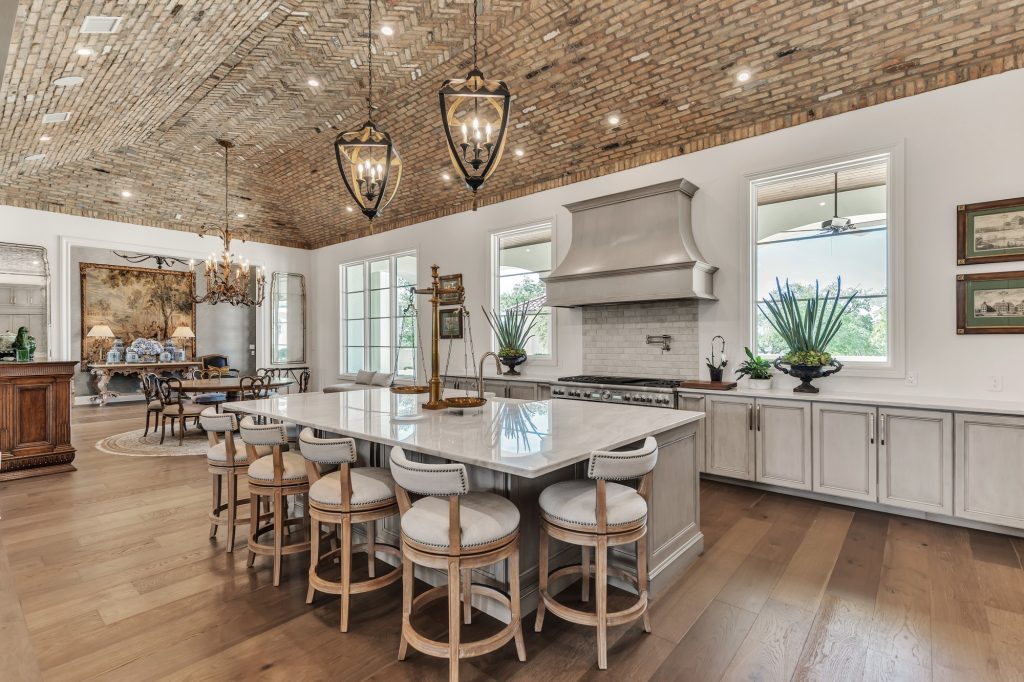
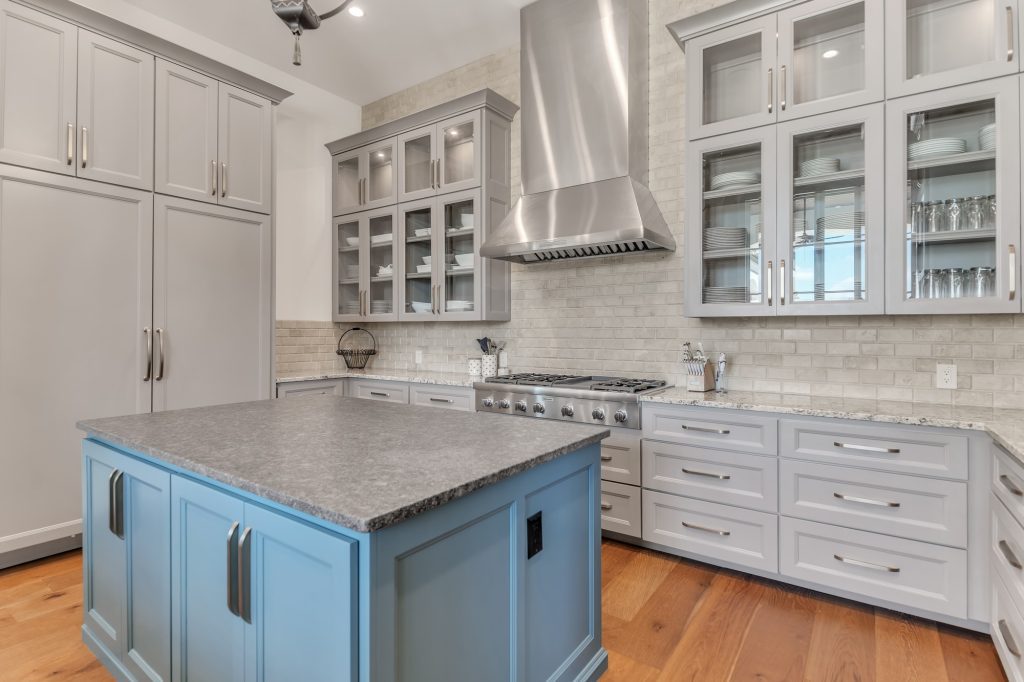
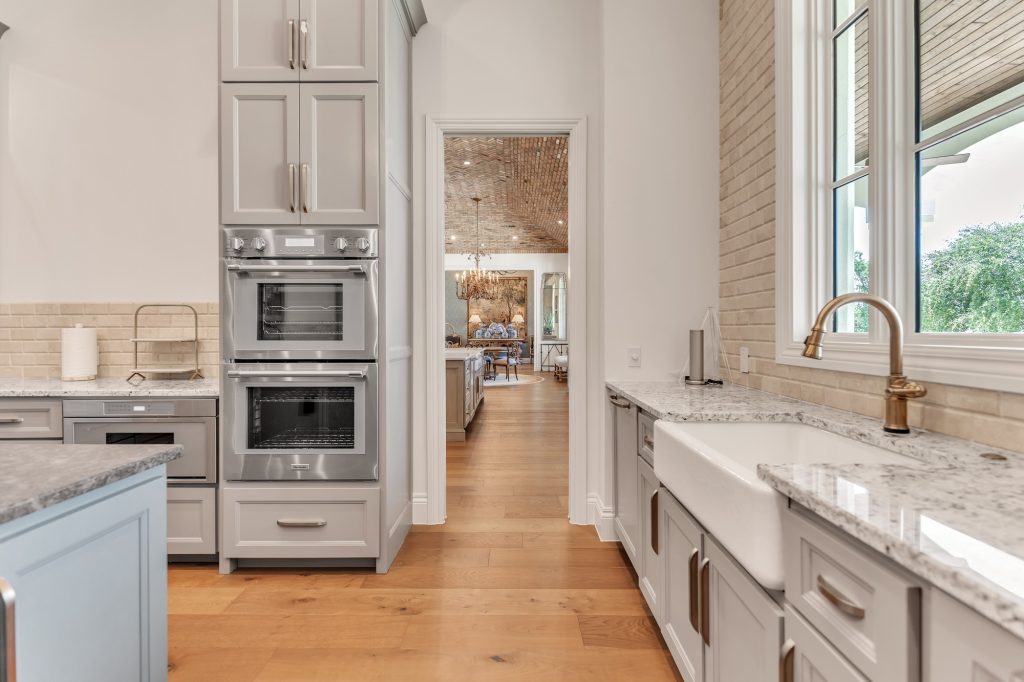
Kitchen photos provided by our friends at McNair Custom Homes – featuring the dual kitchens of the custom home they built at 11319 Montell Point in Pecan Springs.