Renting your home out can be a great way to generate extra income, but it’s essential to do it right. From understanding your financial situation to finding the right tenants, we’ll cover everything you need to know about how to rent your home out. We’ll walk you through all of the important steps like setting a competitive rent price, understanding landlord-tenant laws, and preparing your home for new occupants.
Key Takeaways
- Assess your personal financial situation, long-term goals, and readiness for landlord responsibilities before deciding to rent out your property.
- Perform thorough market research to set a competitive rent price, and use online tools and real estate agents to inform your pricing strategy.
- Understand and comply with local, state, and federal landlord-tenant laws to ensure a positive and legally compliant rental experience.
Decide If Renting Out Is Right For You
Before you become a landlord, assessing your personal financial situation and long-term goals is a must. Renting out your property can offer a steady stream of rental income, but it also comes with responsibilities and potential risks. Consider your financial stability and whether you’re prepared to handle the costs associated with property management, such as maintenance, repairs, and potential vacancies. It’s essential to weigh the predictable monthly expenses of renting against the unpredictable costs of homeownership, including property taxes and insurance.
Reflect on your lifestyle and future plans as well. Are you relocating for work or family reasons? Is your house taking longer to sell than anticipated? These circumstances might make renting out your property an attractive option. However, keep in mind that being a landlord requires time, effort, and a willingness to handle tenant-related issues. If you’re not comfortable with these responsibilities, you should consider partnering with a professional property manager to help navigate the rental process.
Ultimately, the decision to rent out your home should align with your financial goals, personal circumstances, and readiness to take on the role of a landlord.
Set A Competitive Rent Price
Having decided to rent out your property, it’s necessary to set an appropriate rent price to attract tenants and optimize your rental income. Start by conducting thorough market research to understand the rental rates for similar properties in your area. This process, known as rental comps, involves comparing units of similar size, age, features, location, and condition to determine a fair rent price. Don’t forget to consider supply and demand in your local market; high demand can justify a higher rent price, while low demand may require a more competitive rate to attract tenants.
To assist in your pricing strategy, leverage online tools and resources. Here are some options to consider:
- Home value estimators: These can provide a preliminary estimate of your property’s worth, which can be used as a baseline for setting rent.
- Online rental calculators: While not entirely precise, these can offer a general price range to consider.
- Consulting an experienced real estate agent: They can provide extensive market data and local knowledge to help you set a competitive rent price.
By utilizing these tools and resources, you can make an informed decision about your rental pricing strategy.
Remember, finding the right balance between attracting quality tenants and maximizing your rental income is key to your success as a landlord and a real estate investor.

Understand Local Landlord-Tenant Laws
Prior to listing your property, it’s important that you understand local, state, and federal landlord-tenant laws. These regulations govern various aspects of the rental process, from tenant screening to eviction procedures, and ensure fair housing practices.
One of the most important federal regulations to understand is the Fair Housing Act, which prohibits discrimination based on:
- race
- religion
- color
- national origin
- sex
- familial status
- disability
Additionally, the Fair Credit Reporting Act requires landlords to obtain permission before pulling an applicant’s credit report. Adhering to these laws is not only a legal obligation but also helps foster a positive landlord-tenant relationship.
State and local laws often provide additional protections for tenants and may dictate specific requirements for landlords. For example, many states have laws regarding security deposit limits, required disclosures, and special clauses that must be included in rental agreements. Moreover, tenant rights, such as the right to quiet enjoyment, are often protected by state laws, meaning landlords must provide reasonable notice before entering the property. To ensure compliance and avoid potential legal issues, it’s advisable to have your lease agreement reviewed by a local attorney who specializes in real estate law, particularly landlord tenant law. By understanding and following these regulations, you’ll be better equipped to navigate the complexities of being a landlord and protect your investment.
Get The Right Insurance Coverage
Upon transitioning from homeowner to landlord, it’s important to reassess your insurance coverage. Standard homeowners insurance typically doesn’t provide adequate protection for rental properties. Instead, you’ll need to invest in landlord insurance, which is specifically designed to protect property owners who are renting out their houses, condos, or apartments. This specialized coverage offers protection against property damage, loss of rental income, and liability – three crucial aspects of safeguarding your investment.
A comprehensive landlord insurance policy usually includes property and liability protection. Property protection covers the dwelling, other structures on the property, and personal property used to service the rental. Liability protection, on the other hand, can help cover legal expenses or medical bills if someone is injured on your rental property. Consider additional coverage options, such as vandalism protection or building codes coverage, to further safeguard your investment.
To ensure you have the right amount of coverage at a competitive price, consult with an experienced insurance agent who can tailor a policy to your specific needs. Remember, proper insurance coverage is not just a legal requirement in many areas; it’s a vital component of protecting your rental property investment and your financial future.
Prepare Your Home For Rent
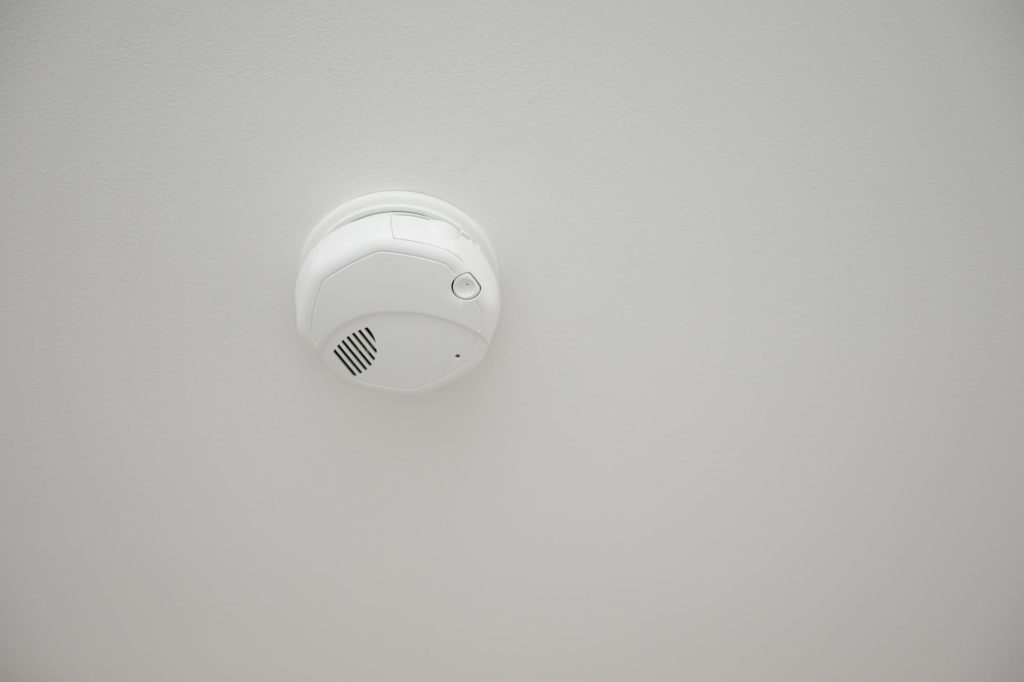
Getting your property rental-ready is an important step for drawing quality tenants and facilitating a seamless rental experience. Start by focusing on the essentials: maintaining habitability standards. As a landlord, you’re responsible for providing a safe and livable environment, which includes ensuring working plumbing, heating, and emergency alert devices. Conduct a thorough inspection of your property, checking that all locks are installed and functioning properly, and that electrical, plumbing, and HVAC systems are in good working condition. Don’t forget to inspect for environmental hazards such as mold, asbestos, or lead paint, which can pose serious health risks to tenants.
Next, turn your attention to the aesthetics and functionality of your rental property. A well-maintained home not only attracts better tenants but can also justify a higher rental rate. Here are some steps you can take to improve the property’s appeal:
- Start with a deep cleaning to create a healthy environment.
- Consider repainting walls and ceilings after inspecting for and addressing any cracks.
- If your property has hardwood floors, consider sanding and refinishing them to restore their original luster.
- For carpeted areas, replace old and stained carpets to give the space a fresh look.
These cosmetic upgrades can significantly enhance the overall appearance of your rental property.
Don’t overlook the exterior of your property. Curb appeal plays a significant role in attracting potential tenants and setting a positive first impression. Invest some time and effort in landscaping upgrades, such as pruning overgrown plants and planting colorful flower beds. Ensure that all outdoor areas are well-maintained and free from potential hazards. Additionally, consider upgrading outdated equipment and arranging for pest control if there are any signs of infestation.
By taking these steps to prepare your home for rent, you’re not only creating an attractive living space but also demonstrating your commitment to providing a high-quality rental experience for your future tenants.
Advertise Your Rental Property
Once your property is ready for tenants, the next step is to craft an attention-grabbing rental listing to draw potential renters. Here are some tips to help you create an effective listing:
- Craft a well-written description that highlights the key features of your property.
- Mention nearby amenities such as public transportation, popular grocery stores, and other local attractions that make your rental desirable.
- Include high quality photos that showcase your property’s best attributes. Consider hiring a professional photographer or investing time in taking clear, well-lit images that capture the essence of each room and outdoor space.
By following these tips, you can create a rental listing that stands out and attracts potential renters.
To reach a wider audience, utilize multiple marketing channels. Here are some strategies to consider:
- Post your rental listing on popular rental websites and property listing sites to maximize visibility.
- Consider using a service like Avail, which can automatically post your listing to multiple platforms, saving you time and effort.
- Don’t underestimate the power of social media; platforms like Facebook, YouTube, and Instagram can be excellent tools for sharing your rental listing and even virtual tours.
- Additionally, traditional methods such as word-of-mouth marketing and “For Rent” signs can generate local interest, especially in tight-knit communities.
Timing is crucial when advertising your rental property. Consider posting your listing during peak rental seasons, typically spring and summer, when more people are likely to be searching for new homes. To give potential tenants a chance to see the property in person, consider hosting open house showings. This allows interested parties to get a feel for the space and ask questions directly. Remember, providing a great tenant experience from the very beginning can lead to positive reviews and recommendations, which can be invaluable for future rentals.
By implementing a comprehensive marketing strategy, you’ll increase your chances of finding the right tenant quickly and efficiently.

Screen Potential Tenants
A thorough tenant screening process is key to safeguarding your investment and creating a positive rental experience. Implement a systematic process to assess the eligibility of potential renters, focusing on their ability to pay rent on time and respect your property. A comprehensive tenant screening report typically includes personal identification, credit report, criminal history, rental history, employment verification, references, and income verification. Begin by obtaining written consent from applicants before conducting any background checks, as this is a legal requirement.
When reviewing criminal records, consider both minor offenses and more severe felonies, taking into account the nature and recency of the offense. However, be aware that certain states limit how landlords can use information from an applicant’s criminal report. As part of the screening process, contact the applicant’s employer and previous landlords to verify employment, income, and rental history. Keep in mind that this step may take several days, depending on the responsiveness of references.
To ensure fairness and compliance with anti-discrimination laws, follow these guidelines when processing applications:
- Process applications on a first-come, first-served basis.
- Avoid asking questions related to race, color, religion, national origin, sex, familial status, and disability, as these are protected categories under fair housing laws.
- Consider using automated tenant screening platforms to help reduce biases and ensure applications meet preset standards.
- If you decide to deny an application, provide the reason via a rejection letter.
Remember, thorough screening tenants is an investment in the long-term success of your rental property, helping to minimize risks and find responsible tenants who will care for your property as if it were their own.
Draft A Solid Lease Agreement
A solid lease agreement lays the groundwork for a fruitful landlord-tenant relationship. This legal contract outlines the rules and liabilities for both parties, providing clarity and protection throughout the tenancy. When drafting your lease, start with the basics:
- Identify the parties involved
- Specify the property’s address
- List all occupants
- Clearly state the start and end dates of the agreement
Don’t forget to include crucial financial details such as the monthly rent amount and the required security deposit.
Your lease agreement should cover all aspects of the tenancy. Here are some key points to include:
- Specify what’s included with the rental, such as utilities and appliances
- Outline any pet policies, including allowed types, number of pets, and any additional charges
- Clearly state the rules of the tenancy, prohibiting illegal activities and specifying any smoking restrictions
- Address the renewal process, typically requiring tenants to provide notice 60 to 90 days before the lease expires if they plan to renew or vacate
- Include a clause stating that if no notice is provided, the lease may convert to a month-to-month agreement at the current market rate, subject to your preference and local laws.
Remember that a lease agreement is a legally binding document with potential consequences. It’s crucial to have a local attorney review your lease to ensure it complies with all applicable landlord-tenant laws. This step can help protect you from potential legal issues down the line. If a tenant violates the lease, you’ll need to review the agreement and take the necessary steps outlined within it.
By creating a comprehensive and legally sound lease agreement, you’re setting clear expectations for your tenants and providing yourself with a solid legal foundation for managing your rental property. Understanding the importance of lease agreements can further enhance the landlord-tenant relationship and ensure a smooth rental experience.

Collect Security Deposits
In the rental industry, the usual practice is to collect a security deposit, which acts as a financial buffer for landlords. The primary purpose of a security deposit is to minimize financial risk, cover potential tenant-caused damage, and protect against unpaid rent. While specific regulations vary by location, it’s generally a good practice to place the security deposit in an interest-bearing account, even if it’s not required by law in your state. This approach not only demonstrates your professionalism but also ensures that you’re prepared for any legal requirements regarding deposit management.
Transparency and proper documentation are key when handling security deposits. Here are some important steps to follow:
- Always provide tenants with a receipt for their security deposit, creating a clear record of the transaction.
- If your state requires it, be prepared to pay any interest collected on the security deposit to the tenant at the end of the lease.
- Should you need to make deductions from the deposit for damages beyond normal wear and tear, provide an itemized list of these deductions to the tenant.
- To ensure you’re following all applicable laws regarding security deposits, it’s advisable to consult with a local attorney who can guide you on proper storage, usage, and return procedures.
By handling security deposits professionally and in compliance with local regulations, you’re protecting your interests while building trust with your tenants.
Conduct A Move-In Inspection
A detailed move-in inspection plays an important role in recording the state of your property before tenants move in. This process protects both you and your tenants by documenting the state of the rental unit, which can help prevent disputes over damages when the lease ends. To conduct an effective move-in inspection, create a detailed checklist that covers every aspect of the property, including:
- The condition of walls and floors
- The functionality of appliances and fixtures
- The cleanliness of the property
- Any existing damages or issues
- The condition of windows and doors
- The state of the plumbing and electrical systems
By thoroughly documenting the condition of the property before tenants move in, you can ensure that both parties are aware of any pre-existing issues and avoid conflicts in the future.
To provide indisputable evidence of the property’s condition, use photos or videos during the inspection. This visual documentation offers a clear point of comparison between the move-in and move-out states, making it easier to identify any tenant-caused damages. Consider using digital signatures and email correspondences to record the tenant’s agreement with the inspection results, further solidifying the validity of your documentation.
By conducting a comprehensive move-in inspection and maintaining detailed records, you’re not only protecting your investment but also starting the landlord-tenant relationship on a positive, transparent note.

Manage Rent Collection
Streamlined rent collection practices are vital for sustaining a regular cash flow and securing your rental property’s financial success. In today’s digital age, leveraging online systems for rent collection offers numerous advantages, including:
- Convenient payment options for tenants
- Automated reminders
- Easy tracking of rental income
- Simplified process for both landlords and tenants
- Clear record of all transactions, which can be invaluable for accounting and tax purposes.
When choosing a rent collection method, consider options that prioritize security and convenience. Rent collection apps are often the most secure, offering features like automatic payments and direct bank deposits. Some popular choices include Landlord Studio, which provides automated processes and fraud detection, and Zelle, which allows payments through banking apps using just the tenant’s phone number or email.
For tenants who prefer more traditional methods, direct debit payments can be a reliable option, though they require tenants to sign ACH authorizations. Whichever method you choose, ensure it aligns with both your preferences and those of your tenants, making rent collection a smooth and hassle-free process for everyone involved.
Handle Maintenance Requests Promptly
Maintaining a proactive stance on maintenance is crucial for maintaining your property’s value and keeping tenants satisfied. Implementing a robust maintenance tracking system allows you to stay on top of issues and address them efficiently. Create a standardized process for submitting, responding to, and following up on maintenance requests as part of your property management plan. This system should outline clear procedures for tenants to report problems and for you or your property manager to review and update the status of each request.
Communication is crucial when handling maintenance issues. Notify tenants promptly when their requests are received and provide realistic timelines for repairs. This transparency helps build trust and demonstrates your commitment to maintaining the property.
When addressing maintenance needs, decide whether you’ll handle the repairs personally or hire professional contractors. Regardless of your approach, it’s essential to budget for both routine and unexpected maintenance to manage costs effectively.
By prioritizing prompt and efficient maintenance, a property management company not only keeps your property in top condition but also fosters positive relationships with your tenants, potentially leading to longer tenancies and fewer vacancies.

Know The Eviction Process
Though eviction is usually the last option, it’s important to be familiar with the process in case it becomes necessary. Eviction laws require landlords to follow a specific court process and provide proper notice to tenants; under no circumstances should you use threats or force to evict a tenant. Familiarize yourself with local laws and seek legal advice before initiating any eviction proceedings. The process typically begins with serving a notice to vacate, followed by filing an eviction suit in the justice court where the rental property is located if the tenant doesn’t comply.
The eviction process involves several legal steps and timelines that must be strictly followed. Here is an overview of the process:
- Tenants must be served with eviction papers in advance based on your local laws, either by a sheriff or constable, or through alternative methods if approved by a judge.
- Eviction hearings are usually scheduled between 10 to 21 days after the suit is filed.
- Throughout this process, tenants have rights, including the option to request a jury trial if made at least 3 days before the hearing.
- Even if the court rules in your favor, tenants have the opportunity to appeal before their property is removed.
Given the complexity and legal nature of evictions, it’s always advisable to consult with a legal professional to ensure you’re following all required procedures and protecting your rights as a landlord.
Summary
Renting out your home can be a rewarding venture, but it requires careful planning, diligence, and a thorough understanding of your responsibilities as a landlord. From deciding if renting is right for you to navigating the intricacies of tenant screening, lease agreements, and property management, each step plays a crucial role in your success. Remember to stay informed about local laws, maintain open communication with your tenants, and prioritize the maintenance of your property.
By following the guidelines outlined in this post, you’ll be well on your way to being equipped to turn your property into a profitable investment while providing a quality living space for your tenants. As you embark on your journey as a landlord, remain adaptable, continue to educate yourself, and don’t hesitate to seek professional advice when needed. With the right approach and mindset, you can create a thriving rental business that benefits both you and your tenants for years to come.

Hire A Property Management Company
Hiring a property management company offers several benefits over managing your rental property on your own. Firstly, property management companies bring expertise and experience to the table, ensuring that your property is managed efficiently and in compliance with local laws. They handle everything from tenant screening and rent collection to maintenance and legal issues, allowing you to enjoy a hassle-free experience. By leveraging their extensive network of contractors and vendors, property management companies can often secure better rates for repairs and maintenance, ultimately saving you money. Additionally, their knowledge of the local rental market can help you set competitive rent prices, maximizing your rental income.
Managing your property independently can be time-consuming and stressful, especially if you lack experience in property management. You will be responsible for all aspects of the rental process, from marketing and tenant screening to handling maintenance requests and legal disputes. This can be particularly challenging if you have multiple properties or a full-time job. While going it alone may save you the cost of hiring a property management company, the potential for costly mistakes and the time investment required can outweigh the financial savings. In contrast, a property management company can provide peace of mind, knowing that your investment is being professionally managed, allowing you to focus on other priorities.
Hiring a property management company is often a wiser choice than managing your rental property on your own due to the potential for costly mistakes and lawsuits. Property management companies enure that all aspects of property management are handled efficiently and in compliance with local laws. They are well-versed in the legal issues surrounding rentals, reducing the risk of errors that could lead to financial losses or legal disputes. By leveraging their professional knowledge, property management companies can help you avoid common pitfalls and navigate complex situations that could otherwise result in lawsuits. This not only provides peace of mind but also allows you to focus on other priorities without the stress and time investment required for managing a rental property independently.
Frequently Asked Questions
How do I determine the right rent price for my property?
Research comparable properties, consider your property’s unique features, and use online rental calculators to set a competitive price that covers your expenses and offers a reasonable return on investment.
What should I include in my lease agreement?
You should include the names of all parties, property address, lease term, rent amount and due date, security deposit details, maintenance responsibilities, pet policies, and specific rules or restrictions for the property in your lease agreement. It’s advisable to have a lawyer review it to ensure compliance with local laws.
How can I effectively screen potential tenants?
To effectively screen potential tenants, implement a thorough process including credit checks, background checks, employment verification, and references from previous landlords. Also, use a standardized application form and ensure compliance with fair housing laws.
What types of insurance do I need as a landlord?
As a landlord, you need landlord insurance that includes property damage coverage, liability protection, and loss of rental income coverage. Consider additional options like flood insurance or umbrella policies based on your property’s location and personal risk tolerance.
How do I handle maintenance requests from tenants?
Set up a clear maintenance request system for tenants and respond promptly, acknowledging receipt and providing a timeline for addressing the issue. Prioritize urgent repairs, budget for routine maintenance, and decide whether to handle repairs yourself or hire professionals based on the complexity of the task.