
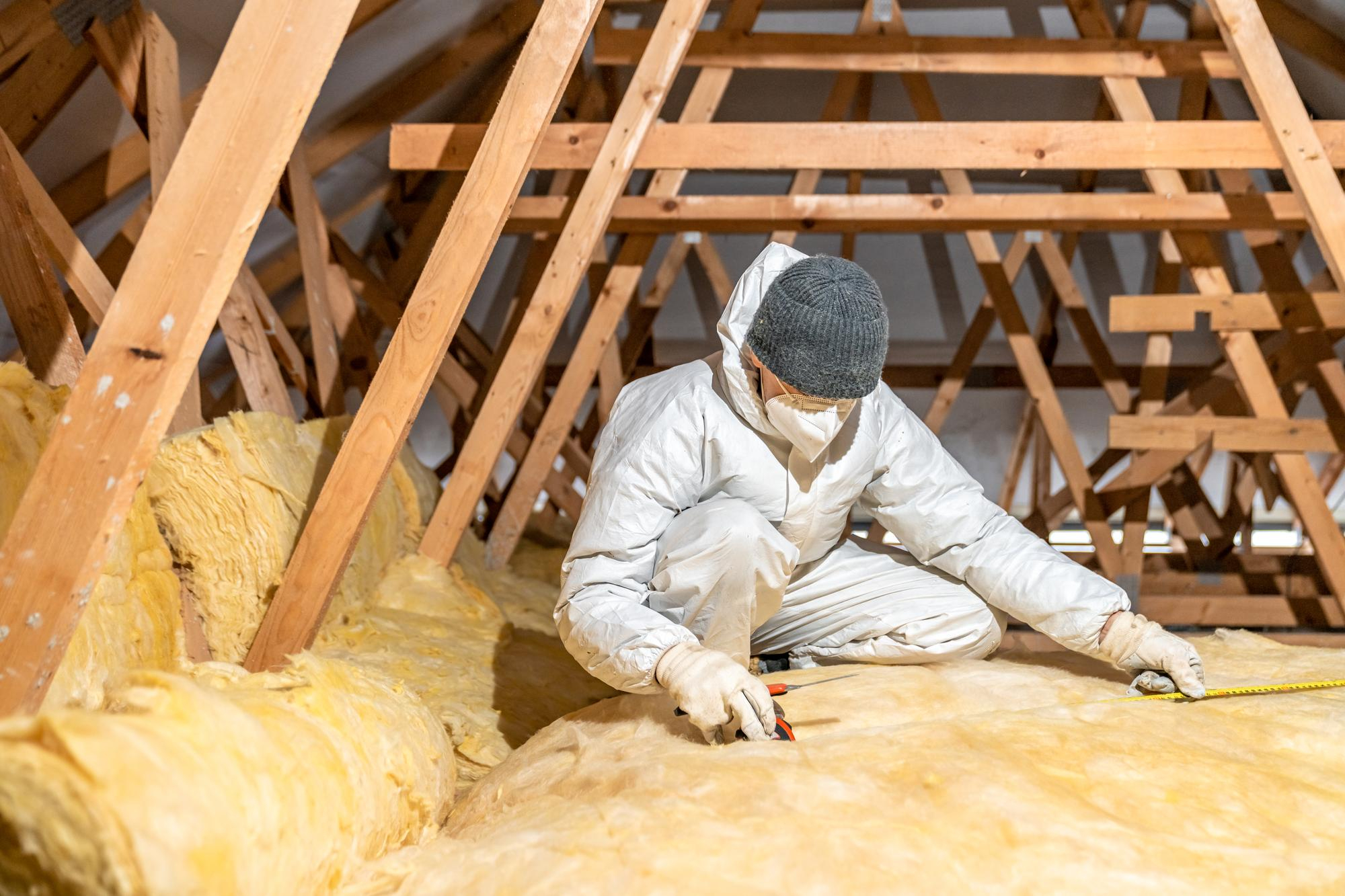
When you’re house hunting, it’s easy to focus on the features you can see – updated kitchens, beautiful hardwood floors, and fresh paint. But as your real estate agent, I want to help you understand one of the most important hidden features that will impact your wallet and comfort for years to come: the quality of your potential home’s insulation. Poor insulation can turn your dream home into an energy nightmare, while quality insulation protects your investment and keeps you comfortable year-round.
Why Insulation Quality Matters to Homebuyers
The Financial Impact on Your Monthly Budget
Insulation quality directly affects your utility bills. A poorly insulated home can cost hundreds or even thousands of dollars more per year to heat and cool compared to a well-insulated one. Over the life of your mortgage, this difference can add up to tens of thousands of dollars.
When evaluating homes, consider that upgrading insulation after purchase can be expensive and disruptive, especially in finished areas. It’s much better to buy a home with quality insulation already in place than to face costly retrofits later.
Comfort Issues You’ll Live With Daily
Poor insulation doesn’t just cost money – it affects your daily comfort. Homes with inadequate insulation often have:
- Rooms that are consistently too hot or too cold
- Drafty areas that never feel comfortable
- Temperature swings that make it hard to maintain consistent comfort
- Higher humidity levels that feel uncomfortable and can cause problems
Red Flags: Identifying Insulation Problems During Your Tour
Temperature Inconsistencies You Can Feel
During your walkthrough, pay attention to temperature variations throughout the house. Rooms that feel noticeably warmer or cooler than others may indicate insulation problems. This is especially common in:
- Rooms above garages or bonus rooms over unheated spaces
- Homes with cathedral ceilings or vaulted areas
- Additions that were built later and may not match original insulation standards
- Basement or upper-level rooms that feel uncomfortable
Visual Clues to Watch For
Even without looking inside walls, there are signs you can spot:
Ice Dams in Winter – If you’re house hunting in winter, look for icicles hanging from gutters or ice buildup on the roof edge. This often indicates heat loss through poor attic insulation.
Condensation Issues – Excessive condensation on windows or in certain rooms can signal insulation and air sealing problems that allow moisture infiltration.
High Utility Bills – Ask to see recent utility bills, especially for homes you’re seriously considering. Unusually high energy costs relative to the home’s size may indicate insulation deficiencies.
Previous Owner Complaints – Listen for comments about rooms being hard to heat or cool, or mentions of high energy bills. These are often clues about insulation quality.
Questions to Ask During Your Tour
Don’t hesitate to ask the seller or listing agent:
- When was the insulation last updated or added?
- Are there any rooms that are difficult to keep comfortable?
- What are typical monthly utility costs throughout the year?
- Has any insulation work been done during their ownership?
- Are there any areas where they’ve noticed drafts or temperature issues?
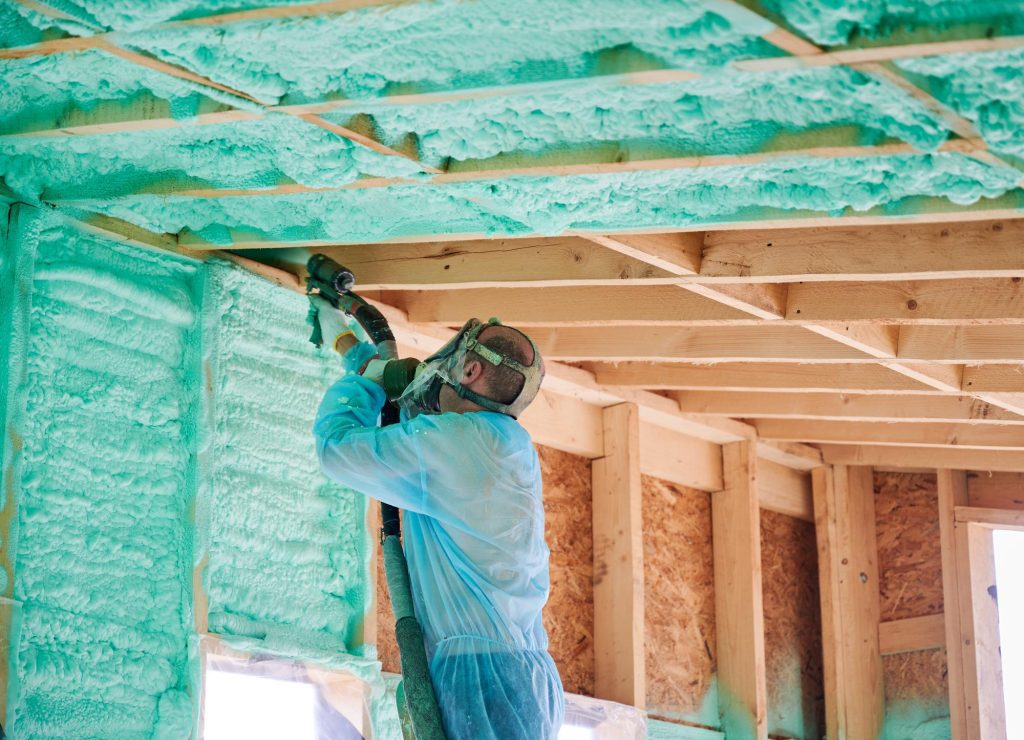
Understanding Energy Efficiency Information
Reading Energy Reports and Documentation
Many homes today come with energy efficiency information. Look for:
HERS Ratings – A Home Energy Rating System score where lower numbers indicate better efficiency. Scores below 70 are considered good, while scores above 100 indicate below-average efficiency.
Utility Company Assessments – Some utility companies provide energy assessments that highlight insulation recommendations or deficiencies.
Previous Energy Upgrades – Documentation of insulation improvements, weatherization work, or energy efficiency upgrades adds value and indicates the current owners have invested in performance.
Comparing Similar Homes
When looking at multiple properties, energy performance can be a major differentiator. A home with superior insulation may justify a higher purchase price because of long-term savings and improved comfort.
Age-Related Insulation Considerations
Homes Built Before 1980
Older homes often have minimal insulation by today’s standards. Common issues include:
- Little to no wall insulation in homes built before the 1970s
- Settling of loose-fill insulation that reduces effectiveness over time
- Insulation materials that may contain asbestos (requiring special handling if disturbed)
- Air sealing that doesn’t meet modern standards
However, some older homes have been retrofitted with modern insulation, which can make them excellent energy performers.
Homes Built 1980-2000
This era saw improved insulation standards, but still may not meet today’s efficiency expectations. Look for:
- Adequate but not exceptional insulation levels
- Possible moisture issues if vapor barriers weren’t properly installed
- Opportunities for cost-effective upgrades in attics and basements
Modern Construction (2000+)
Recent construction should have good insulation, but quality can vary significantly depending on the builder and local codes. Even new homes may have:
- Code-minimum insulation that leaves room for improvement
- Installation quality issues that reduce performance
- Thermal bridging through framing that reduces overall efficiency
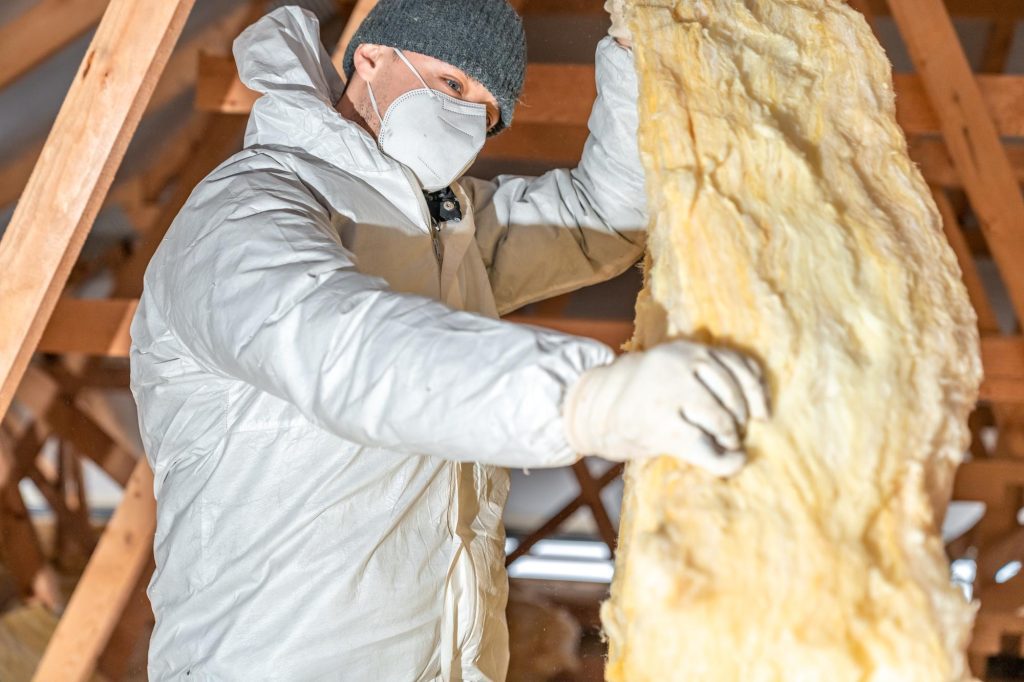
How Your Home Inspection Can Reveal Insulation Quality
Working with Qualified Inspectors
Make sure your home inspector examines accessible insulation areas and provides information about:
- Visible insulation type and apparent condition
- Areas where insulation may be missing or inadequate
- Signs of moisture problems that could affect insulation performance
- Recommendations for further evaluation by insulation specialists
Understanding Inspection Reports
Your inspector should note:
- Insulation type and estimated R-value in accessible areas
- Any visible gaps, compression, or damage to existing insulation
- Areas where additional insulation could provide benefits
- Signs of air leakage that reduce insulation effectiveness
When to Call in Energy Auditors
For homes where energy efficiency is a major concern, consider hiring a certified energy auditor who can provide:
- Blower door testing to identify air leakage
- Thermal imaging to locate insulation voids or thermal bridging
- Detailed recommendations for improvements and cost estimates
- Prioritized lists of upgrades that provide the best return on investment
Negotiating Based on Insulation Findings
Using Energy Issues in Negotiations
If your inspection reveals insulation deficiencies, you have several options:
Request Credits – Ask for closing cost credits to address insulation improvements yourself after purchase.
Negotiate Repairs – Request that sellers upgrade insulation before closing, though this is less common due to the disruptive nature of insulation work.
Adjust Your Offer – Factor the cost of necessary insulation improvements into your initial offer or negotiate a price reduction.
Prioritizing Improvements
If you discover insulation issues, focus on the most cost-effective improvements first:
- Attic insulation often provides the best return on investment
- Air sealing can be very cost-effective and improve comfort immediately
- Basement or crawl space insulation may be easier to access than wall insulation
New Construction Considerations
Evaluating Builder Quality
When considering new construction, research the builder’s reputation for energy efficiency:
- Do they exceed minimum code requirements?
- What insulation materials and installation methods do they use?
- Can they provide HERS ratings or energy performance data?
- Do they offer energy efficiency upgrades or options?
Timing Your Purchase
If possible, try to visit during the insulation phase of construction to see the quality of materials and installation firsthand. This is also the time to request any upgrades before walls are closed up.

Long-Term Investment Perspective
Resale Value Considerations
Energy-efficient homes with quality insulation are increasingly valued by buyers. As utility costs rise and environmental awareness grows, homes with superior insulation will likely maintain better resale value.
When you eventually sell, you’ll be able to market lower utility costs and superior comfort as key selling points that differentiate your home from others.
Planning for Future Improvements
If you buy a home with adequate but not exceptional insulation, plan for future improvements during major renovations. Adding insulation during siding replacement, roof work, or interior remodeling can be much more cost-effective than standalone projects.
Making Smart Decisions About Insulation Quality
As your real estate agent, I want to help you make informed decisions that protect your investment and ensure your long-term satisfaction with your home purchase. While insulation quality isn’t as immediately visible as granite countertops or hardwood floors, it will impact your daily comfort and monthly expenses far more than most cosmetic features.
Remember that improving insulation after purchase can be expensive and disruptive, especially in finished areas of the home. It’s much better to prioritize homes with quality insulation or factor improvement costs into your purchase decision from the beginning.
Energy efficiency is no longer just an environmental consideration – it’s a financial one that affects your monthly budget and long-term investment return. By understanding how to evaluate insulation quality and making it part of your home selection criteria, you’re making a smart investment in your future comfort and financial well-being.
The best home purchase is one where you can move in and enjoy immediate comfort while knowing that your monthly utility costs are reasonable and predictable. Quality insulation is one of the key factors that makes this possible, and it’s worth taking the time to evaluate it properly during your home search.