

Foundation issues are among the most expensive problems you can inherit when buying a home, potentially costing tens of thousands of dollars to repair and affecting everything from your home’s structural integrity to its resale value. As your real estate agent, I want to help you identify potential foundation problems before you buy, understand the financial implications, and make informed decisions that protect your investment and your family’s safety.
Why Foundation Problems Are So Costly
The Domino Effect of Foundation Issues
Foundation problems don’t exist in isolation – they create cascading issues throughout the entire house. A foundation that has settled unevenly can cause doors and windows to stick, floors to slope, walls to crack, and plumbing lines to break. These secondary problems often cost more to repair than the original foundation issue itself.
Unlike cosmetic problems that you can live with temporarily, serious foundation issues typically require immediate attention to prevent further damage. This means you may need to address expensive repairs right after purchasing your home, when your finances are already stretched from the buying process.
Insurance and Financing Complications
Many homeowner’s insurance policies don’t cover foundation problems, especially those related to settling or poor maintenance. Additionally, significant foundation issues can prevent you from obtaining financing or cause problems with your home appraisal, potentially derailing your purchase entirely.
Even if you can complete your purchase, foundation problems can make your home difficult to sell later, as future buyers will have the same concerns you should have now.
Visual Warning Signs During Your Home Tour
Exterior Red Flags You Can Spot
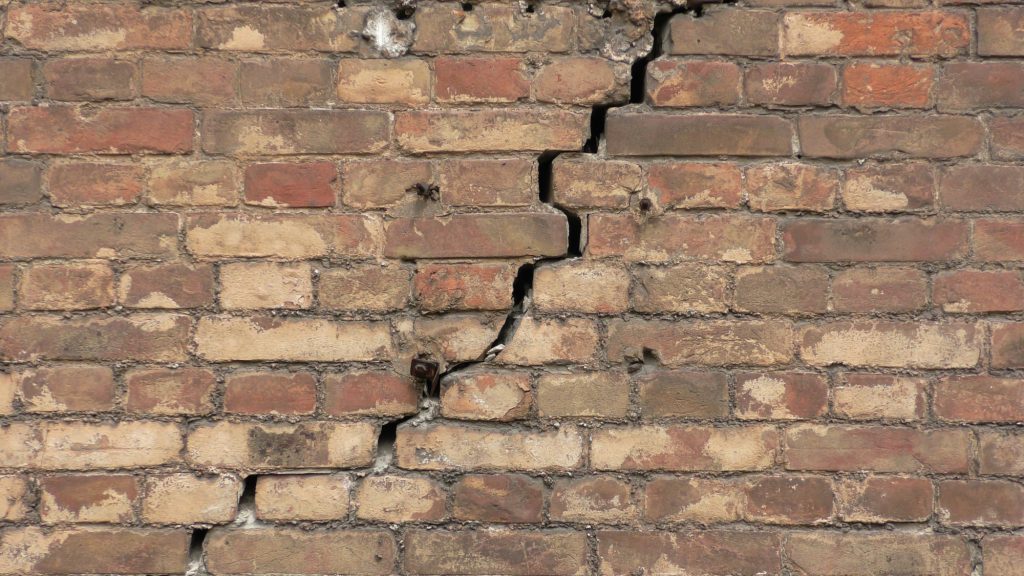
Cracks in Foundation Walls – Look for cracks wider than 1/4 inch, horizontal cracks, or stair-step cracks in block foundations. Small hairline cracks may be normal settling, but larger cracks often indicate serious problems.
Uneven or Sinking Foundation – Walk around the perimeter and look for areas where the foundation appears to have settled lower than other sections. Use your eyes to check if the foundation line looks level around the entire house.
Separation from the House – Look for gaps between the foundation and the main structure, especially around porches, steps, or additions. These separations often indicate differential settling.
Water Damage or Staining – Dark stains, white mineral deposits (efflorescence), or signs of water damage on foundation walls suggest moisture problems that can weaken foundations over time.
Poor Drainage Around the Foundation – Standing water, improper grading that directs water toward the house, or damaged gutters and downspouts can cause foundation problems over time.
Interior Warning Signs to Watch For
Doors and Windows That Don’t Function Properly – Doors that stick, won’t close completely, or have uneven gaps around the frame often indicate foundation movement. Windows that are difficult to open or close can signal similar issues.
Sloping or Uneven Floors – Use a marble or smartphone level app to check floors in different rooms. Floors that slope toward one area or feel bouncy when you walk on them may indicate foundation problems.
Wall and Ceiling Cracks – Look for cracks that run diagonally from the corners of doors and windows, horizontal cracks in walls, or ceiling cracks that correspond with wall cracks below. Small nail pops are usually cosmetic, but larger cracks warrant investigation.
Basement or Crawl Space Issues – If accessible, look for water stains, musty odors, visible cracks in basement walls, or areas where the foundation appears to be bowing inward.
Understanding Different Types of Foundation Problems
Settlement Issues
Normal vs. Problematic Settlement – All homes settle somewhat as they age, but excessive or uneven settling creates problems. Normal settling typically occurs gradually and uniformly, while problematic settling creates noticeable changes in the home’s level and square.
Differential Settlement – This occurs when different parts of the foundation settle at different rates, creating stress throughout the structure. This is often the most expensive type of foundation problem to repair.
Total Settlement – When an entire foundation sinks uniformly, it may be less immediately obvious but can still cause problems with utilities, drainage, and structural connections.
Structural Foundation Damage
Foundation Wall Movement – Walls that bow inward or outward indicate serious structural issues that require immediate professional evaluation. This type of damage can compromise the entire structure’s stability.
Failed Footings – Problems with the concrete footings that support foundation walls can cause widespread foundation failure and are among the most expensive issues to repair.
Deteriorated Foundation Materials – Old foundations may have deteriorated concrete, corroded reinforcement, or failed mortar joints that compromise structural integrity.
Moisture and Water-Related Foundation Problems
Identifying Water Issues
Active Water Intrusion – Look for standing water, damp areas, or obvious leaks in basements or crawl spaces. These issues not only damage foundations but also create health hazards from mold and mildew.
Past Water Damage – Water stains, mineral deposits, or musty odors indicate previous water problems that may have weakened the foundation or could recur in the future.
Poor Drainage Systems – Homes without proper perimeter drainage, sump pumps in flood-prone areas, or adequate waterproofing may be prone to ongoing moisture problems.
Long-Term Moisture Effects
Chronic moisture problems can weaken concrete foundations, cause wood components to rot, and create ongoing maintenance issues that extend far beyond the foundation itself. These problems often worsen over time and become more expensive to address as they progress.
Age-Related Foundation Considerations
Homes Built Before 1950
Older homes may have foundations built to different standards with materials that don’t meet modern requirements. Common issues include:
- Shallow footings that may not extend below frost lines
- Stone or brick foundations that may lack proper reinforcement
- Inadequate waterproofing or drainage systems
- Foundations that weren’t designed for modern loads or additions
Homes Built 1950-1980
This era saw improved foundation construction but may still have issues such as:
- Concrete block foundations that may have failed mortar joints
- Inadequate reinforcement by today’s standards
- Waterproofing materials that have reached the end of their useful life
Modern Construction Issues
Even newer homes can have foundation problems due to:
- Poor soil preparation or compaction during construction
- Inadequate drainage design
- Construction defects or inferior materials
- Changes in soil conditions since construction
Professional Foundation Evaluation
What Your Home Inspector Can Tell You
A qualified home inspector should evaluate:
- Visible foundation walls for cracks, damage, or movement
- Overall structural condition and signs of settling
- Basement or crawl space conditions
- Drainage around the foundation
- Interior signs of foundation problems
However, home inspectors have limitations and may recommend further evaluation by foundation specialists for concerning issues.
When to Call Foundation Experts
Consider hiring a structural engineer or foundation specialist when:
- Your inspector identifies potential foundation concerns
- You notice multiple warning signs during your tour
- The home has a history of foundation repairs
- You’re considering a home with known foundation issues
Professional foundation evaluations can cost $500-1500 but may save you tens of thousands in unexpected repair costs.

Financial Implications of Foundation Problems
Repair Cost Estimates
Foundation repair costs vary widely based on the type and extent of problems:
Minor Crack Repair – $500-2,000 for small cracks or waterproofing issues
Underpinning or Pier Installation – $10,000-30,000 for serious settling issues requiring structural support
Complete Foundation Replacement – $30,000-100,000+ for severe foundation failure
Secondary Damage Repairs – Often costs as much as foundation repairs themselves, including flooring, drywall, doors, windows, and plumbing affected by foundation movement
Impact on Home Value
Foundation problems can significantly affect home value and marketability:
- Homes with known foundation issues typically sell for 10-20% below comparable homes
- Foundation problems can make homes difficult to finance or insure
- Even after repairs, disclosure requirements may affect future resale value
Negotiating Foundation Issues
Options When Problems Are Discovered
If foundation issues are identified during your inspection period, you have several options:
Request Repairs – Ask sellers to complete necessary foundation work before closing, though this may delay your transaction significantly.
Negotiate Price Reduction – Request a credit equal to estimated repair costs plus a buffer for unexpected complications and secondary damage.
Walk Away – For severe foundation problems, walking away may be the best financial decision, even if you lose your earnest money.
Getting Multiple Opinions
For significant foundation concerns, obtain estimates from multiple foundation contractors before making negotiation decisions. Repair estimates can vary significantly, and different contractors may recommend different approaches.
Special Considerations for Different Foundation Types
Slab-on-Grade Foundations
Common in warmer climates, slab foundations can develop:
- Cracks from soil movement or settling
- Plumbing leaks within the slab that require expensive access
- Uneven settlement that affects flooring and doors
Basement Foundations
Full basements offer living space but can develop:
- Water intrusion problems
- Wall movement from soil pressure
- Settling issues that affect the entire structure
Crawl Space Foundations
Crawl spaces can have:
- Moisture problems leading to wood rot and mold
- Inadequate support causing floor problems
- Pest intrusion and related damage
Making Informed Decisions About Foundation Issues
Risk Assessment Questions
When evaluating a home with potential foundation concerns, ask yourself:
- Can I afford the estimated repair costs in addition to my purchase price?
- Am I prepared for the disruption and time required for major foundation work?
- Will foundation issues affect my ability to use or enjoy the home?
- How will these problems affect my ability to sell the home later?
Professional Guidance
As your real estate agents, we can help you:
- Identify potential foundation warning signs during home tours
- Connect you with qualified inspectors and foundation specialists
- Understand local market impacts of foundation issues
- Negotiate appropriate terms based on foundation evaluations
- Determine when foundation problems make a home unsuitable for purchase
Protecting Your Investment
Foundation problems are among the most serious issues you can encounter when buying a home, but they’re also among the most preventable if you know what to look for. By understanding the warning signs, asking the right questions, and obtaining professional evaluations when needed, you can avoid costly surprises and make informed decisions that protect your investment.
Remember that not all foundation issues are deal-breakers, but they all require careful evaluation and honest assessment of your financial situation and risk tolerance. Some foundation problems can be repaired cost-effectively, while others may make a home unsuitable for purchase regardless of price reductions.
The key is identifying potential problems before you buy, understanding the true costs involved, and making decisions based on complete information rather than hope that problems will be minor or resolve themselves. Your home should be a source of security and pride, not a source of ongoing financial stress and structural concerns.
By staying vigilant for foundation warning signs and working with qualified professionals when concerns arise, you can find a home with a solid foundation that will serve your family well for years to come.