
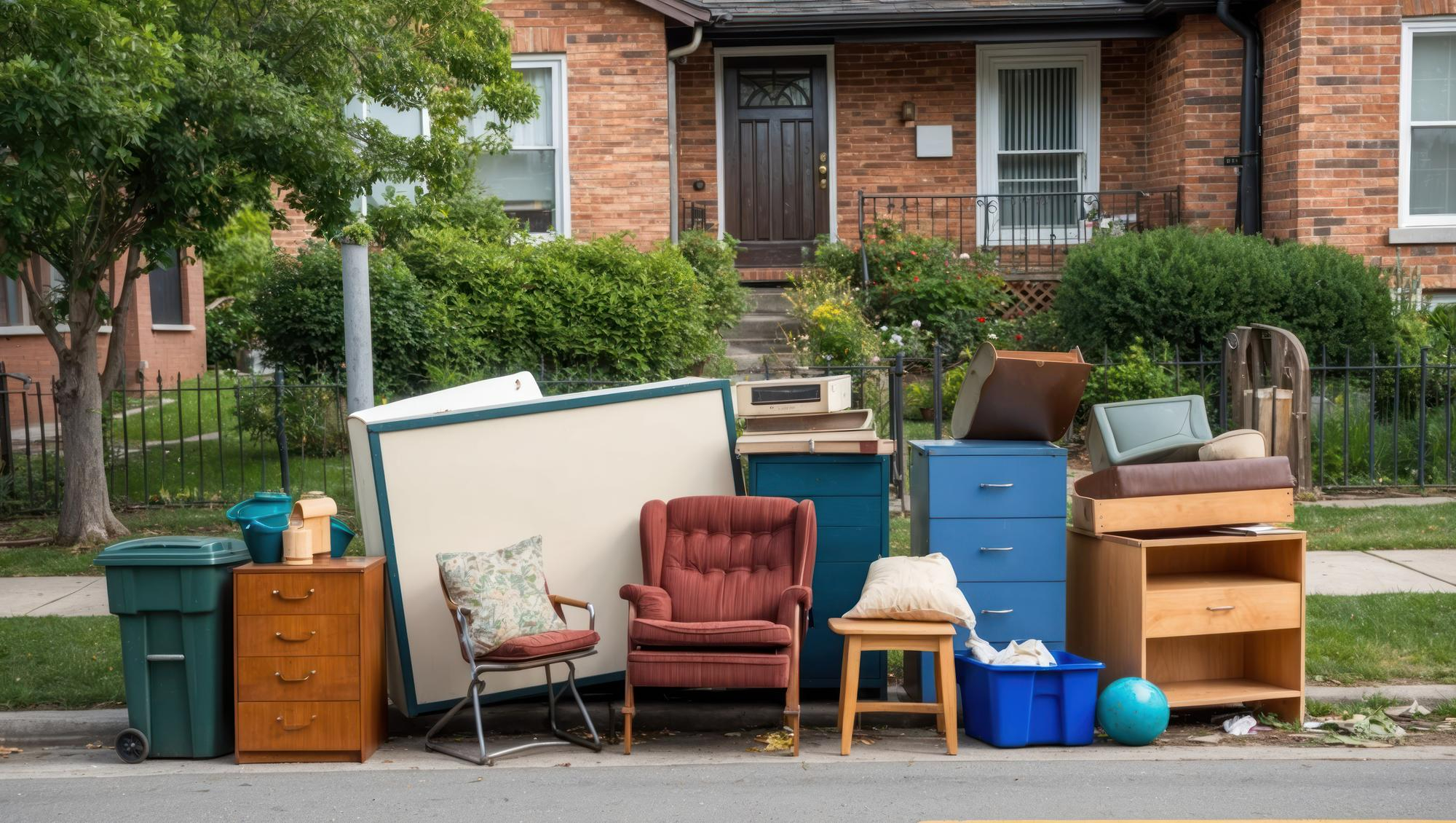
When preparing to sell your home, you’ve likely heard two key pieces of advice: declutter your space and stage it to perfection. But what exactly is the difference between these two approaches, and which one is right for your situation? As a seller, understanding the distinction between decluttering and staging can help you make informed decisions about how to present your home to potential buyers.
Understanding the Basics: Decluttering vs Staging
Decluttering is the process of removing excess items, personal belongings, and unnecessary furniture to create a clean, spacious environment. It’s about subtraction – taking away what doesn’t serve the space or might distract buyers from seeing the home’s potential.
Home staging, on the other hand, is the art of strategically arranging furniture, décor, and accessories to showcase your home’s best features and help buyers envision themselves living there. Staging is about both subtraction and addition – removing what doesn’t work while adding elements that enhance the space’s appeal.
The Decluttering Approach: Less is More
Simple Decluttering Methods
The beauty of decluttering lies in its simplicity and cost-effectiveness. Here are straightforward ways to declutter your home:
Start with the obvious: Remove items you no longer need, use, or love. This includes outdated magazines, broken appliances, and duplicate items cluttering countertops and surfaces.
Clear surfaces: Keep countertops, tables, and dressers mostly bare. A few carefully chosen items can remain, but the goal is to create visual breathing room.
Minimize personal items: Pack away family photos, collections, and personalized décor. While these items make your house feel like home to you, they can prevent buyers from imagining their own belongings in the space.
Organize closets and storage: Buyers will look inside closets and cabinets, so organize these spaces to appear spacious and functional.
More Involved Decluttering Strategies
For those ready to take decluttering further:
Rent a storage unit: Temporarily store furniture that makes rooms feel cramped. This is especially helpful in smaller homes where every square foot counts.
Apply the one-third rule: Remove approximately one-third of your belongings from each room. This decluttering method creates the illusion of more space without the room feeling empty.
Focus on flow: Ensure clear pathways through each room by removing furniture that blocks natural traffic patterns.
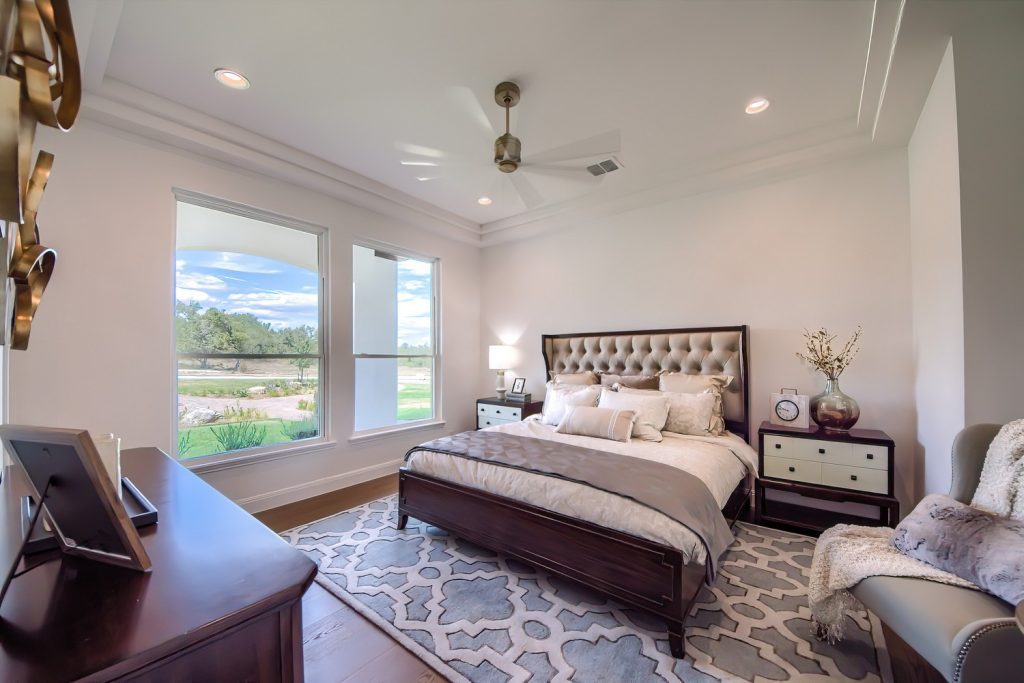
The Staging Philosophy: Creating the Perfect Scene
Simple Staging Techniques
Even basic staging can significantly impact how buyers perceive your home:
Rearrange existing furniture: Sometimes simply moving furniture away from walls or creating conversation areas can make a space feel more inviting and functional.
Add fresh elements: Incorporate fresh flowers, new throw pillows, or updated lampshades using items you already own or inexpensive purchases.
Maximize natural light: Open curtains and blinds, clean windows, and remove anything blocking light sources. Light makes spaces feel larger and more welcoming.
Define room purposes: Make sure each room has a clear function. That spare room filled with exercise equipment and holiday decorations should be transformed into a proper home office or guest bedroom.
Professional Staging Methods
More comprehensive staging involves:
Strategic furniture placement: Professional stagers understand how to position furniture to make rooms appear larger and more functional. They know which pieces to keep, move, or replace entirely.
Neutral color schemes: Stagers often recommend painting walls in neutral tones that appeal to the broadest range of buyers while making spaces feel fresh and move-in ready.
Purposeful décor: Every decorative element serves a purpose, whether it’s drawing attention to architectural features, creating focal points, or establishing a lifestyle buyers want to embrace.
Room-by-room optimization: Professional stagers analyze each space individually, considering factors like natural light, room size, and target buyer demographics.
Which Approach is Right for You?
When Decluttering Might Be Sufficient
Decluttering alone can be highly effective if your home already has good bones and your existing furniture and décor are in good condition. This approach works particularly well when:
- Your home has strong architectural features that speak for themselves
- You have a tight timeline or budget
- Your furnishings are already neutral and in good condition
- You’re selling in a strong seller’s market where homes move quickly
When Staging Provides Added Value
Staging becomes more valuable in certain situations:
- Your home has been on the market for a while without strong interest
- You’re in a competitive market with similar properties
- Your home has challenging layouts or features that need strategic presentation
- You want to potentially achieve a higher sale price and faster sale

The Hybrid Approach: Best of Both Worlds
Many successful sellers combine elements of both decluttering and staging. This might involve:
Decluttering first: Start by removing excess items and personal belongings to create a clean slate.
Strategic additions: Add a few key staging elements like fresh bedding, updated lighting, or strategically placed plants.
Professional consultation: Consider hiring a stager for a few hours of consultation to get expert advice on what to keep, remove, or add.
Budget Considerations
Decluttering costs: Primarily your time, plus potential expenses for storage units, donation drop-offs, or disposal fees. Budget range: $100-$500
DIY staging costs: Can range from minimal (using existing items) to moderate (purchasing new accessories, paint, or small furniture pieces). Budget range: $200-$2,000
Professional staging costs: Varies by location and home size but typically ranges from $1,500-$5,000 for consultation and rental furniture for a few months.
Making Your Decision
The choice between decluttering and staging isn’t always either-or. Consider these factors:
Your local market conditions: In hot markets, decluttering might be sufficient. In slower markets, staging can provide a competitive edge.
Your home’s condition: Newer homes with modern finishes might only need decluttering, while older homes could benefit from staging to highlight their character.
Your timeline: If you need to sell quickly, professional staging can help. If you have more time, gradual decluttering might be adequate.
Your budget: Be realistic about what you can afford and remember that both approaches should be viewed as investments in your sale price and timeline.
The Bottom Line
Both decluttering and staging serve the same ultimate goal: helping potential buyers see your house as their future home. Decluttering creates the foundation by removing distractions and creating space, while staging builds on that foundation by creating an aspirational lifestyle.
The key is choosing the approach that best fits your situation, budget, and goals. Whether you go with simple decluttering, full professional staging, or something in between, the effort you put into presenting your home well will likely pay dividends in both the final sale price and the speed of your sale.
Remember, first impressions matter tremendously in real estate. Buyers often make emotional decisions within the first few minutes of walking through a home. By thoughtfully preparing your space – whether through decluttering, staging, or both – you’re giving your home the best possible chance to make that crucial positive first impression.