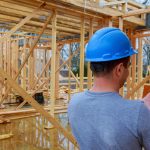

The simple answer? Yes. A home inspection is an important step in the home buying process, but one that many homeowners (and sellers) wish they could skip because of the cost – an average home inspection ranges from $300-500 and varies based on size of the home and optional equipment such as pools, type of foundation (pier and beam will cost more), and sprinkler systems. Although everyone is trying to save money when buying a house, the home inspection is a step you should never skip.
The Home Inspection Is A Buyer’s Best Friend
A home inspector’s job is simple; inspect the property and write up a report based on their findings. These reports include not only what is wrong with the home and may require attention, but also will note any “deficiencies” in the home. Typically, this will include things that are not up to current building codes. Although the word deficient will often catch the buyer’s attention, some of these things are more noteworthy than repair-worthy (your agent, along with the inspector can help you understand which is which).
An excellent home inspector will take their time during the inspection and point out things as they go along…this can be a great help after you move in and wonder where the water shut off valve is located. By following the inspector as he goes through the steps of the home inspection, you can often gain a sort of “how to” manual for the basic systems of your home.
Once the home inspection report is delivered to you and your agent, if you have elected for an option period in the contract, you can now discuss potential repair requests you will make of the seller. Remember, the seller doesn’t have to make the repairs, but you also (with the option period in place) have the right to terminate the contract and move on. It becomes a negotiation between the two parties – so determine what matters to you most and be prepared for some give and take (and know when to stand your ground as well).
Building A New Home?
One of the biggest mistakes we see being made by buyers of new homes is their refusal to purchase a home inspection from a licensed inspector who is not affiliated with the builder. Builders do inspections on their homes as they build them and will often talk about their ten or more step inspection process. However, these inspectors are brought in by the builder. Who do you trust more? Someone on the builder’s payroll or an independent third party that works for you?
When getting a home inspection for a new home, you should opt for a phased inspection as well. These inspections cost somewhat more, but this allows you to inspect the property as it’s being built and at various stages of the process. This allows you a bit more insight into the home as you can inspect things like plumbing, slab, and electric before walls and floors go in (which often cover up any potential problems)..
They may cost extra money, but home inspections are one of the smartest investments in your home-to-be that you can make. While you’re at it, throw in a wood destroying insect inspection (also called a termite inspection) to check for active infestations as well as conditions conducive to infestation. A few dollars extra will give you peace of mind (and many banks will require them if you’re getting a loan).